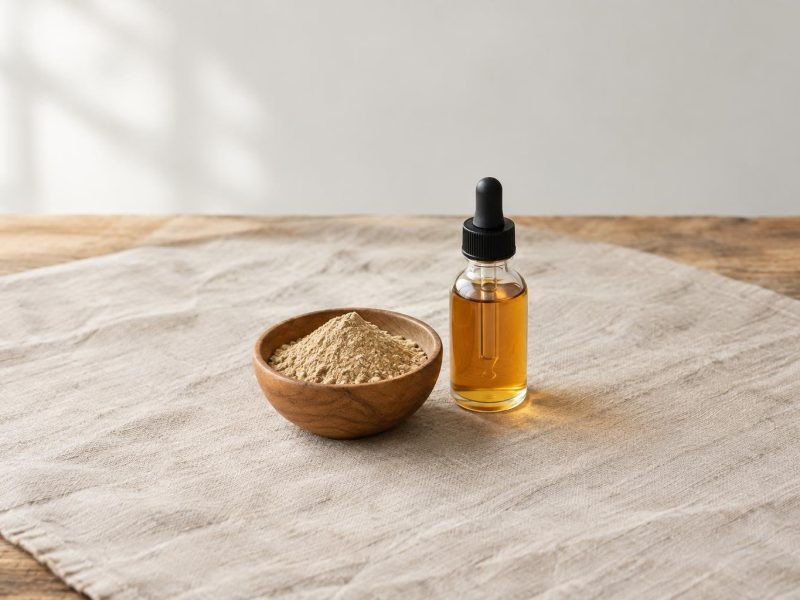
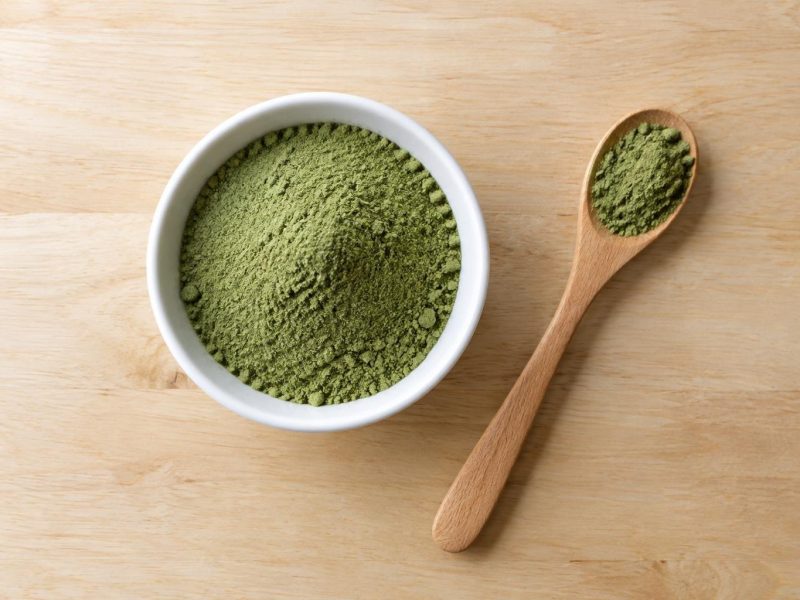
Ashwagandha root vs leaf is a common label question. Both parts contain similar types of active compounds, but research has not shown that one is better than the other. Withanolides, the compounds most often discussed, are found in both roots and leaves and are considered similar in their biological activities (Memorial Sloan Kettering). For most shoppers, the more useful questions are what the label actually says and which safety points to check first.

What Is Ashwagandha, and Which Parts Are Used?
Ashwagandha (Withania somnifera) is a popular herb in Ayurveda, the traditional medicine system of India. It is also known as Indian ginseng and winter cherry. In traditional use it has been taken for stress relief and general health, and as a general tonic for energy and longevity (Memorial Sloan Kettering).
Traditional use is not the same as proof. Those uses describe how the herb has been used for a long time, not what modern trials have confirmed. The active constituents include alkaloids, steroidal lactones, saponins and withanolides, and withanolides are found in both the root and the leaf.
The root is the part most people picture when they think of ashwagandha. Some products use leaf material, and some combine both parts. The plant part is worth checking on the label.
Root vs Leaf: What Is Actually Known
The shared compounds
Withanolides in the roots and leaves are considered similar to steroids in their biological activities (Memorial Sloan Kettering). This is one reason both parts show up in supplements. It also means neither part should be treated as “gentle” by default, since compounds with steroid-like activity call for caution.
What has been studied in each part
Some research has looked at the parts separately, but mostly in animals or in lab dishes:
- Leaf: A compound called triethylene glycol, isolated from the leaves, was identified as an active sleep-inducing component in a mouse model. This is an early animal finding, not a human result, and it does not show that the leaf helps with sleep in people.
- Root: In lab (in vitro) studies, root extracts showed cytotoxic properties against lung, colon, central nervous system and breast cancer cell lines (Memorial Sloan Kettering). Cell studies like this do not show what happens in people, and this effect has not been observed in humans.
What has not been shown
The available evidence does not show that root products work better than leaf products, or the reverse. Human results for ashwagandha are generally discussed under the single name “ashwagandha,” so they cannot be sorted neatly into “root works for this, leaf works for that.” Anyone who claims a clear winner is going beyond the evidence.
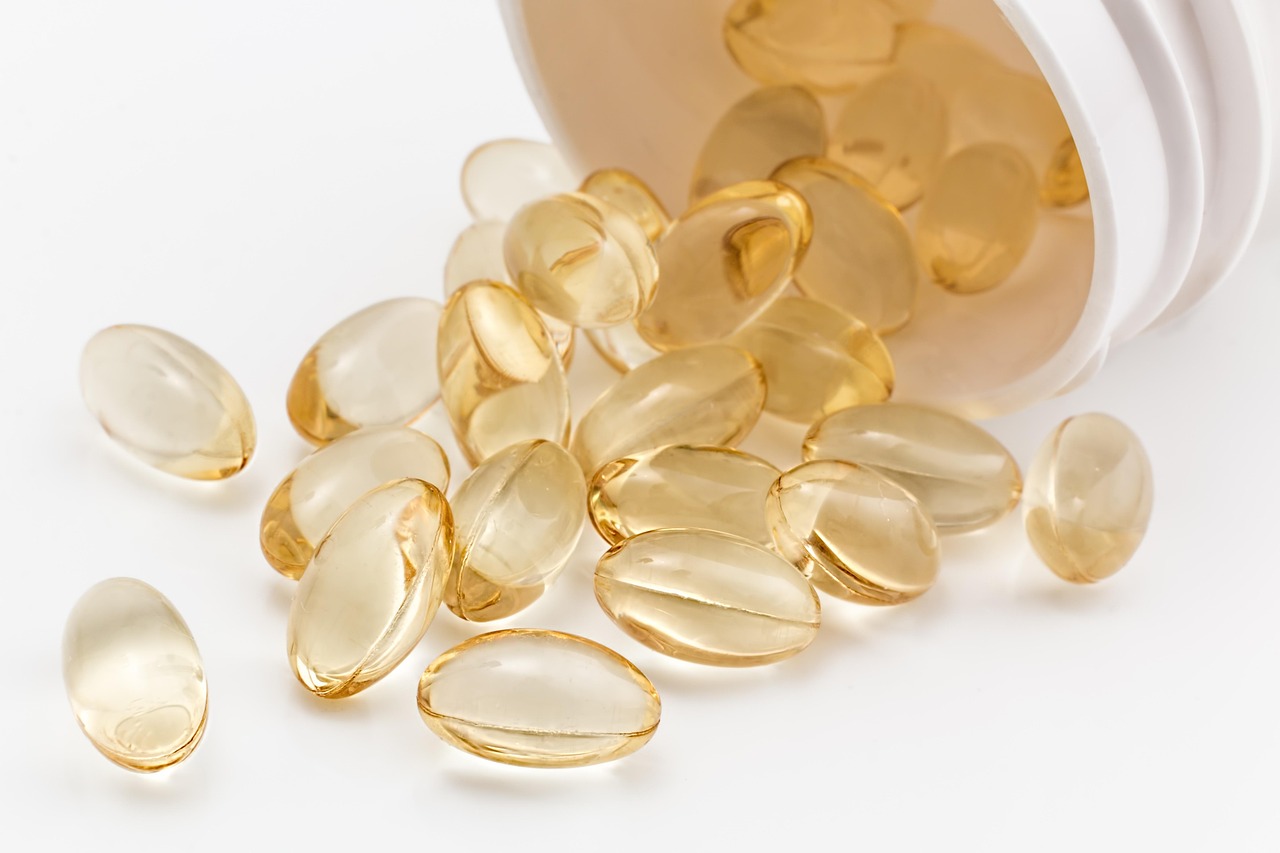
How Ashwagandha Products Are Labeled
Labels can be confusing because the same plant appears in many forms. Here is what to look for:
- Plant part: Look for “root,” “leaf,” or “root and leaf.” If the label only says “ashwagandha extract,” the maker has not told you which part was used.
- Latin name: Withania somnifera confirms which plant is inside.
- Form: Is it a plain powder from the dried plant, or an extract? An extract is a concentrated preparation, so it is not directly comparable to the dried herb.
- Standardization: Some labels state a percentage of withanolides. That number describes what is in the product. It does not tell you how the product will affect you or whether it is safe for you.
- Full ingredient list: Some products contain several herbs or added ingredients. Checking every ingredient helps with allergies and with medication checks.
Supplements are stronger than the herbs you would use in cooking, which is one reason healthcare providers ask to hear about them (Memorial Sloan Kettering). Read the product label carefully, and ask a doctor or pharmacist about what is right for you.
Licensing and quality marks
In the UK, the NHS advises checking that a herbal medicine carries a traditional herbal registration (THR) mark and a product code from the Medicines and Healthcare products Regulatory Agency (MHRA). These show the medicine has been licensed for use in England and meets safety standards. The NHS also warns against buying unlicensed herbal medicines online because they may not be safe (NHS). Rules differ by country, so check what your local regulator expects and buy from sellers you can identify.
If you are comparing formats, see choosing ashwagandha gummies and ashwagandha tea.
What the Evidence Covers
Human research
Limited clinical data suggest ashwagandha may help lower fatigue, anxiety and stress, and may improve sleep quality in some people with insomnia (Memorial Sloan Kettering). Other small studies have looked at exercise performance, sexual health and knee joint pain. A systematic review and dose-response meta-analysis on stress and anxiety called for high-quality evidence. In plain terms, results so far are promising but not firm.
These findings are for ashwagandha in general. They do not tell you whether a root product or a leaf product was responsible, and they do not show that ashwagandha treats or prevents any condition.
Lab and animal research
Animal and cell studies have reported neuroprotective and anti-inflammatory effects (Memorial Sloan Kettering). These findings help researchers decide what to study next, but they cannot be assumed to apply to people. Some lab studies show slowed growth of cancer cells, but this effect has not been observed in humans.
Herbal products and testing
The NHS notes that herbal medicines and complementary therapies are not tested in the same way as standard medicines to see how well they work (NHS). That is a useful reminder when a label sounds more certain than the research is.
Safety, Side Effects and Interactions
Possible side effects
Commonly reported effects are mild to moderate and temporary: drowsiness, upper stomach discomfort and loose stools. Nausea, headache and stomach irritation have also been reported. Less common effects include dizziness, vertigo, nasal congestion, dry mouth, skin rash, decreased appetite and weight gain (Memorial Sloan Kettering).
Case reports describe more serious problems linked to ashwagandha supplements, including liver injury and an overactive thyroid (thyrotoxicosis). Symptoms improved or resolved after the supplement was stopped. A kidney transplant rejection, an acute movement disorder (dystonia) and suppression of the hormone system (HPA axis) after prolonged use have also been reported. Case reports cannot prove cause, but they are a reason to take symptoms seriously. Ashwagandha may also trigger or worsen autoimmune diseases. In one report, pills combining ashwagandha with another herb contained high amounts of lead, a reminder that product quality varies.
Who should avoid it or talk to a doctor first
- Pregnancy: Pregnant women should avoid ashwagandha because it may increase the risk of miscarriage (Memorial Sloan Kettering).
- Hormone-sensitive prostate cancer: Ashwagandha may increase testosterone levels, which could interfere with treatment. Talk with your doctor first.
- Sedating medicines: People who take benzodiazepines, anticonvulsants or barbiturates should likely avoid it, since it may have sedative effects. It may also add to the drowsiness caused by some prescription medicines.
- Autoimmune conditions, thyroid problems and liver concerns: Ask a healthcare provider before considering it.
Safety data on breastfeeding and on children is limited for ashwagandha specifically. The general NHS guidance on herbal medicines says they are not recommended for children because not enough is known about their safety. It also advises against them if you are pregnant or breastfeeding, have kidney or liver problems, or take certain medicines (NHS). The NHS lists statins, antidepressants, diabetes medicines, blood pressure medicines, blood thinners such as warfarin, and hormonal contraception as medicines that may not mix well with herbal products. Check with a pharmacist before using any herbal product alongside other medicines, including over-the-counter ones.
Ashwagandha used in food and tea is generally considered safe, but you should still talk with your healthcare provider before using supplements or higher amounts.
Frequently Asked Questions
Is ashwagandha root stronger than leaf?
That has not been established. Withanolides occur in both parts and are considered similar in activity (Memorial Sloan Kettering). Strength depends on the product, including whether it is a plain powder or a concentrated extract, so the label’s details matter more than the plant part alone.
Is leaf extract safer than root extract?
Neither part has been shown to be safer. Safety data are limited, and the reported side effects and precautions apply to ashwagandha as a whole. Do not assume a leaf product avoids the warnings above.
Should I look for a particular mark on the label?
In the UK, the THR mark and MHRA product code show a herbal medicine is licensed for use in England (NHS). Elsewhere, look for a clear plant part, the Latin name, a full ingredient list and a seller you can identify.
Can I use ashwagandha with my medicines?
Ashwagandha can interact with some medications and affect how they work (Memorial Sloan Kettering). Tell your doctor or pharmacist before using it, especially if you take sedating medicines or treatment for hormone-sensitive prostate cancer.
Bottom Line
Ashwagandha root and leaf both contain withanolides, and current research does not show that one is better than the other. Most of the part-specific findings come from animal and lab studies, while human research is limited and does not compare the two parts directly. When you read a label, check the plant part, the Latin name, the form and the full ingredient list. Because ashwagandha has real safety considerations, including pregnancy, medication interactions and rare liver and thyroid reports (Memorial Sloan Kettering), speak with a doctor or pharmacist before using it and follow the product label.