The sources do not include any study on tea itself, so the article cannot state tea-specific effects or tea-specific safety beyond the MSK statement that it is generally safe in food and tea.
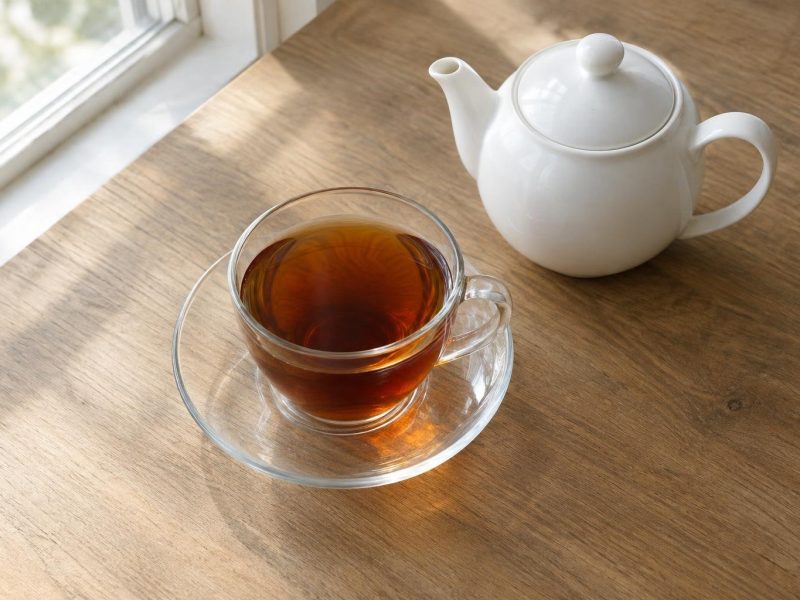
Ashwagandha tea is a warm drink made by steeping or simmering dried ashwagandha root in hot water. It tastes earthy and a little bitter. Most research has looked at ashwagandha supplements and extracts rather than tea, and some people, including those who are pregnant, should avoid it (NCCIH).
What Is Ashwagandha?
Ashwagandha (Withania somnifera) is an evergreen shrub found in parts of India, Africa, and the Middle East. It is also called Indian ginseng or winter cherry (Memorial Sloan Kettering). The plant contains several bioactive compounds, including a group called withanolides (NCCIH).
People have used ashwagandha as a medicinal plant for thousands of years, especially in Ayurveda, the traditional medicine of India (NCCIH). In Ayurveda it is used for stress relief and to improve general health (Memorial Sloan Kettering). Tea is one way to take the herb, along with food uses and supplements.
How Ashwagandha Tea Is Prepared and What It Tastes Like
Common forms
You will usually find ashwagandha tea in one of these forms:
- Dried root pieces, which are often simmered in water.
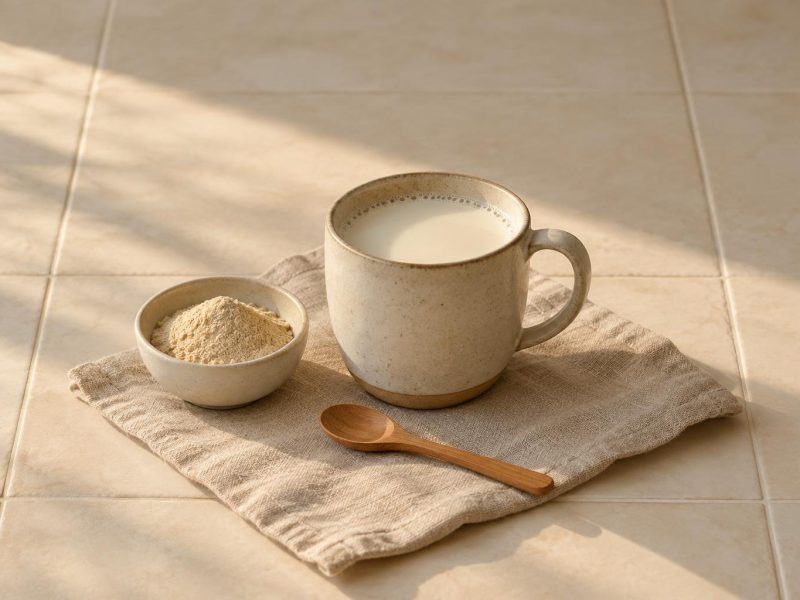
- Root powder, which is stirred into hot water or milk.
- Tea bags, which may hold ashwagandha alone or blended with other herbs such as ginger, cinnamon, or chamomile.
The plant parts used in products differ. Supplements typically contain ashwagandha root, leaf, or a root and leaf extract (NCCIH). Tea products can vary in the same way, so check which part of the plant is listed on the label.
General preparation steps
Tea bags are usually steeped in hot water, then removed. Dried root pieces are often simmered so the flavor comes out, and then strained. Powder can be whisked into hot water or warm milk. It does not fully dissolve, so some people strain it, and others drink it with the fine sediment.
Strength varies a lot between products, so follow the directions on your product’s label, and ask a doctor or pharmacist if you are unsure. Supplements are stronger than the herbs used in cooking, so talk with a health care provider before taking supplements or higher amounts (Memorial Sloan Kettering).

Taste and aroma
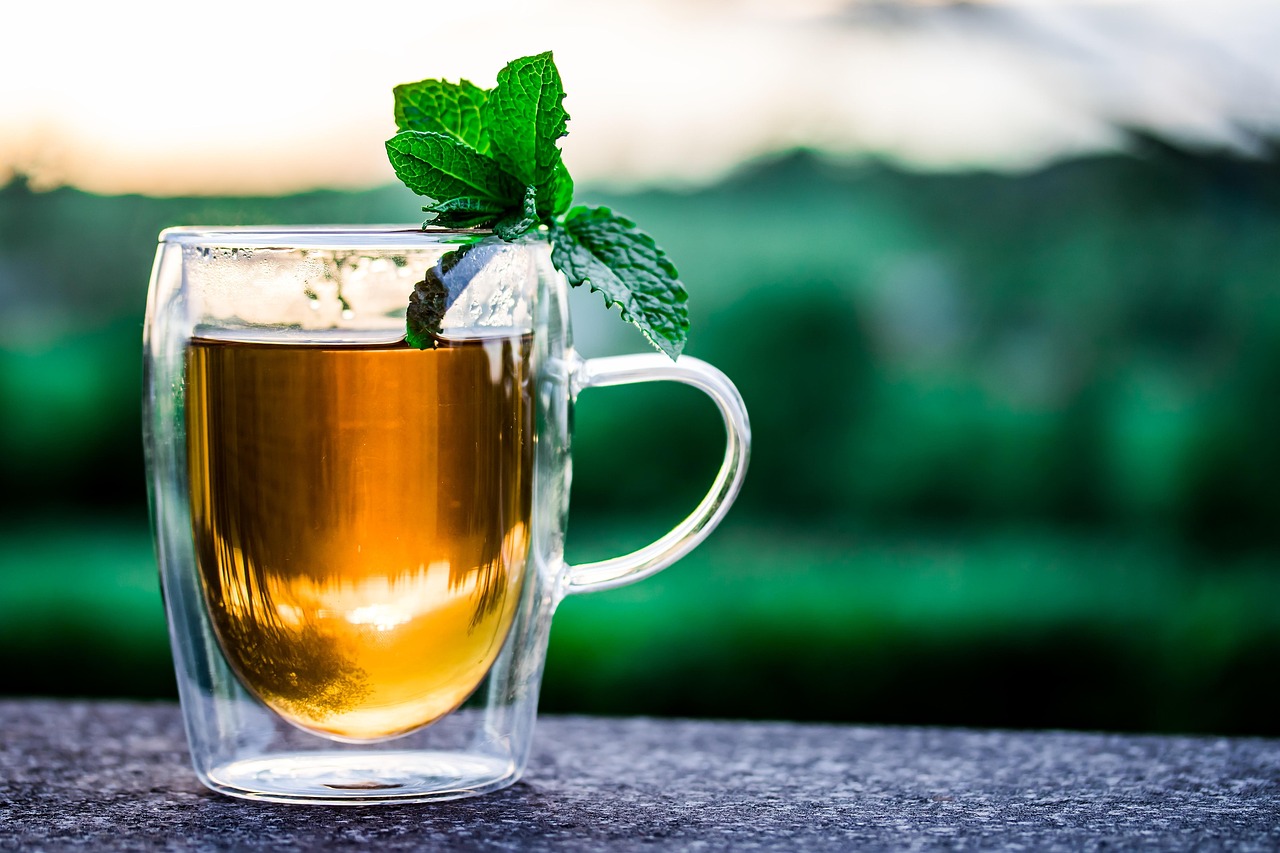
Ashwagandha tea tastes earthy, woody, and somewhat bitter, and the aroma is strong and a bit musty. Some people find the flavor takes getting used to. Many people soften it by adding honey, warm milk, or a plant-based milk. Others choose blends with spices like cinnamon, ginger, or cardamom, or with mint or chamomile. If you add other herbs, check the safety information for each one.
What Is Known and Not Known About Ashwagandha
Traditional use
In Ayurveda, ashwagandha has long been used for stress, fatigue, and general wellbeing (Memorial Sloan Kettering). Traditional use shows how people have used a plant. It does not prove that the plant works. Modern research has to answer that question.
What research suggests
Many clinical trials have looked at ashwagandha for different health conditions. However, many of them were small and used a variety of ashwagandha preparations (NCCIH). That makes the results hard to compare. Here is what the evidence looks like so far:
- Stress and sleep: Some ashwagandha preparations may be effective for insomnia and stress (NCCIH).
- Anxiety: The evidence about its effects on anxiety is unclear (NCCIH).
- Testosterone and sperm quality: There is some limited evidence that ashwagandha may increase testosterone levels and sperm quality (NCCIH).
- Other conditions: There is not enough evidence to say whether it helps with asthma, athletic performance, cognitive function, diabetes, menopause, or female infertility (NCCIH).
- COVID-19: Ashwagandha has been promoted for COVID-19, but there is not enough high-quality evidence to support that use (NCCIH).
Some lab studies show that ashwagandha can slow the growth of cancer cells, but this effect has not been observed in humans (Memorial Sloan Kettering). Lab results should not be read as a benefit for patients.
What is not known about tea
The research described above mostly involves supplements and extracts, so it is unclear whether a cup of tea would have the same effects. Memorial Sloan Kettering notes that it is generally safe to use ashwagandha in food and tea, but that supplements and higher amounts call for a talk with your health care provider first (Memorial Sloan Kettering). Long-term safety is also unknown (NCCIH).
Safety, Side Effects and Interactions
Possible side effects
Ashwagandha may be safe in the short term, but there is not enough information to draw conclusions about its long-term safety (NCCIH). In some people, ashwagandha preparations may cause drowsiness, stomach upset, diarrhea, and vomiting (NCCIH). Other reported side effects include nausea, headache, and stomach irritation (Memorial Sloan Kettering).
Rare but more serious problems have also been reported:
- Although it is rare, a number of cases have linked liver injury to ashwagandha supplements (NCCIH).
- Case reports describe an overactive thyroid (thyrotoxicosis) linked to ashwagandha supplements. Symptoms resolved in all cases after the supplement was stopped (Memorial Sloan Kettering).
- Hemolytic anemia and abdominal pain were reported after people took ashwagandha/mucuna pills that contained high amounts of lead (Memorial Sloan Kettering).
These reports describe supplements and pills rather than tea (NCCIH). Still, they show why it is wise to pay attention to how your body reacts and to talk with a health professional about any concerns.
Who should avoid ashwagandha
- Pregnancy: Ashwagandha should be avoided during pregnancy (NCCIH). It may increase the risk of miscarriage (Memorial Sloan Kettering).
- Breastfeeding: It should not be used while breastfeeding (NCCIH).
- Before surgery: It is not recommended for people who are about to have surgery (NCCIH).
- Autoimmune or thyroid disorders: It is not recommended for people with these conditions (NCCIH). It may also trigger or worsen autoimmune diseases (Memorial Sloan Kettering).
- Hormone-sensitive prostate cancer: Because ashwagandha may increase testosterone levels, people with this cancer should avoid it (NCCIH). It can interfere with treatment (Memorial Sloan Kettering).
- Children: Ask a doctor before giving any ashwagandha product to a child.
Possible medication interactions
Evidence suggests ashwagandha might interact with medicines for diabetes and high blood pressure, medicines that lower immune system activity (immunosuppressants), sedatives, anti-seizure medicines, and thyroid hormone medicines (NCCIH). It may also add to the drowsiness caused by some prescription medicines (Memorial Sloan Kettering). People who take benzodiazepines, anticonvulsants, or barbiturates should likely avoid it, because it may have sedative effects (Memorial Sloan Kettering).
Tell your health care providers about any herbs, teas, or supplements you use, so they can help keep you safe (Memorial Sloan Kettering).
Product quality and regulation
In the United States, many herbal products meant to be swallowed are sold as dietary supplements. Unlike drugs, they are not approved by the FDA before they are sold. Manufacturers are responsible for evaluating the safety and labeling of their products (NCCIH). When you shop, read the label for the plant part used, the full ingredient list, and the manufacturer’s contact details, and choose products that clearly list what is inside.
FAQ
Does ashwagandha tea help with stress or sleep?
NCCIH notes that some ashwagandha preparations may be effective for insomnia and stress, but the evidence is mixed (NCCIH). Those findings come from studies of supplements, not tea, so it is not known whether tea would act the same way.
Is ashwagandha tea safe to drink?
Memorial Sloan Kettering says it is generally safe to use ashwagandha in food and tea (Memorial Sloan Kettering). That does not apply to everyone. People who are pregnant, are breastfeeding, have thyroid or autoimmune conditions, or take certain medicines should avoid it or speak with a doctor first (NCCIH).
What does ashwagandha tea taste like?
It is earthy, woody, and slightly bitter. Honey, milk, or warming spices can make it milder.
Is it safe to drink over the long term?
There is not enough information to draw conclusions about long-term safety (NCCIH). Follow the product label, and ask a doctor or pharmacist what is right for you.
Bottom Line
Ashwagandha tea is an earthy, slightly bitter drink with a long history in Ayurveda. Modern research on ashwagandha is mixed and mostly based on supplements, so it is not known how well tea works (NCCIH). Side effects such as drowsiness and stomach upset can happen, and rare liver problems have been reported with supplements (NCCIH). Pregnant people should avoid it (Memorial Sloan Kettering). Breastfeeding people, people with thyroid or autoimmune conditions, people with hormone-sensitive prostate cancer, and people taking certain medicines should avoid it or check with a health professional first (NCCIH). Always follow the label and talk with a doctor or pharmacist before you start.