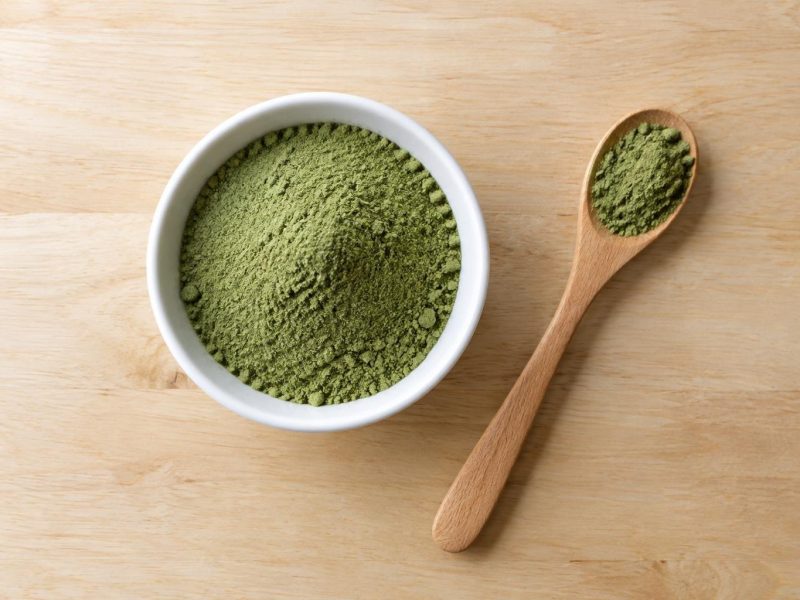
Ashwagandha gummies are chewable dietary supplements made with ashwagandha (Withania somnifera), a shrub used for thousands of years in traditional Indian medicine. Some ashwagandha preparations may help with stress and sleep, but studies have not looked at gummies specifically, and the herb is not right for everyone (NCCIH).

What Are Ashwagandha Gummies?
Ashwagandha gummies are a chewable form of an herbal supplement. Instead of a capsule or powder, the ashwagandha is mixed into a soft, flavored candy-like base. Some people prefer them because they are easy to take.
About the plant
Ashwagandha is an evergreen shrub found in parts of India, Africa, and the Middle East. It is also called Indian ginseng or winter cherry (NCCIH, Memorial Sloan Kettering). It contains several bioactive compounds, including a group called withanolides, which have been associated with anti-inflammatory and antioxidant effects (NCCIH).
What is usually inside a supplement
Ashwagandha supplements typically contain root, leaf, or root and leaf extracts (NCCIH). A gummy also contains other ingredients that hold it together and give it flavor and sweetness. Those ingredients differ from product to product, so the label matters.
One point is worth knowing early. Research on ashwagandha has used many kinds of preparations, and the studies behind it do not single out gummies. It is not known whether gummies work the same way as other forms.
Traditional Use vs. What Research Shows
Traditional use
Ashwagandha has been used as a medicinal plant for thousands of years, especially in Ayurveda, the traditional medicine system of India (NCCIH). It is a popular herb in that tradition for stress relief and for improving general health (Memorial Sloan Kettering). Long use in tradition is not the same as proof from modern studies, so the two are kept separate below.
What modern research says
Many clinical trials have looked at ashwagandha for different health conditions. However, many of them were small and used a variety of ashwagandha preparations (NCCIH). With that in mind, here is where the evidence stands:
- Stress and sleep: Research shows that some ashwagandha preparations may be effective for insomnia and stress (NCCIH).
- Anxiety: The evidence about its effects on anxiety is unclear (NCCIH).
- Male fertility and testosterone: There is some limited evidence that ashwagandha may increase testosterone levels and sperm quality (NCCIH).
- Other conditions: There is not enough evidence to say whether ashwagandha helps with asthma, athletic performance, cognitive function, diabetes, menopause, or female infertility (NCCIH).
- COVID-19: Ashwagandha has been promoted for COVID-19, but there is not sufficient high-quality evidence to support that use (NCCIH).
Some lab studies show that ashwagandha can slow the growth of cancer cells, but this effect has not been observed in humans (Memorial Sloan Kettering). Ashwagandha should not be used in place of medical treatment for any condition (NCCIH).

Safety, Side Effects and Interactions
Natural does not always mean safe for everyone. Ashwagandha has several known cautions, so read them carefully before you decide.
How much is known about safety
Ashwagandha may be safe when taken in the short term. There is not enough information to reach conclusions about long-term safety (NCCIH). Memorial Sloan Kettering notes that it is generally safe to use ashwagandha in food and tea, but supplements are stronger than the herbs used in cooking, so people should talk with their healthcare providers before taking supplements (Memorial Sloan Kettering).
Possible side effects
In some people, ashwagandha preparations may cause drowsiness, stomach upset, diarrhea, and vomiting (NCCIH). Headache, nausea, and stomach irritation have also been listed (Memorial Sloan Kettering).
Less common problems have been reported too. Although it is rare, a number of cases link liver injury to ashwagandha supplements (NCCIH). In reported cases, symptoms improved after the supplement was stopped, and some patients needed additional treatment (Memorial Sloan Kettering). Case reports have also linked ashwagandha supplements to an overactive thyroid (thyrotoxicosis), and symptoms resolved after the supplement was stopped (Memorial Sloan Kettering). Case reports cannot prove that ashwagandha caused a problem, but they are a reason for caution.
Who should avoid ashwagandha
- Pregnancy: It should be avoided during pregnancy (NCCIH). It may increase the risk of miscarriage (Memorial Sloan Kettering).
- Breastfeeding: It should not be used while breastfeeding (NCCIH).
- Before surgery: It is not recommended for people who are about to have surgery (NCCIH).
- Autoimmune or thyroid disorders: It is not recommended for people with these conditions (NCCIH).
- Hormone-sensitive prostate cancer: Because ashwagandha may increase testosterone levels, people with this condition should avoid it (NCCIH).
Ask a doctor before giving ashwagandha gummies to a child.
Medication interactions
There is evidence that ashwagandha might interact with some medications, including those for diabetes and high blood pressure, immunosuppressants, sedatives, anti-seizure medications, and thyroid hormone medications (NCCIH). It may also increase the drowsiness effects of some prescription medications (Memorial Sloan Kettering). If you take any prescription medicine, ask your doctor or pharmacist before using ashwagandha gummies.
How to Choose a Quality Product
Choosing well starts with knowing how supplements are regulated. In the United States, many herbal products meant for oral use are sold as dietary supplements. The rules for making and selling them are less strict than the rules for drugs, and the FDA does not approve supplements before they are sold. Manufacturers and distributors are responsible for evaluating the safety and labeling of their products before marketing them (NCCIH). This means the label is an important place to start.

What to look for on the label
- The plant name. Look for Withania somnifera or ashwagandha so you know what you are buying.
- The plant part. Products may use root, leaf, or a root and leaf extract (NCCIH). A clear label tells you which one.
- Whether it is a plain extract or a blend. Simpler products make it easier to know exactly what you are taking and to tell your doctor. In one reported case of liver injury, the person also took several other supplements, alcohol, and ibuprofen (Memorial Sloan Kettering).
- The full ingredient list. Check the sweeteners, sugar content, flavors, and any allergens, since gummies are a candy-style product.
- Serving directions. Follow the product label and ask a doctor or pharmacist what is right for you. This article does not give amounts.
- Batch and expiration details. A lot number and a clear expiration date help you check freshness and track a product if there is a problem.
- Independent testing. Look for a statement that an outside lab tested the product. This matters because Memorial Sloan Kettering describes a case of hemolytic anemia and abdominal pain after someone took ashwagandha/mucuna pills that contained high amounts of lead (Memorial Sloan Kettering).
Storage
Gummies can soften and stick together in heat or humidity. Keep them in a cool, dry place, close the lid tightly, and store them out of reach of children, since they look like candy.
Tell your healthcare team
Tell your healthcare providers about any herbs or supplements you use. This helps them manage your care and keep you safe (Memorial Sloan Kettering).
Frequently Asked Questions
Do ashwagandha gummies help with stress and sleep?
Research shows that some ashwagandha preparations may be effective for insomnia and stress, but many studies were small and used different preparations (NCCIH). Studies have not focused on gummies specifically, so it is not clear whether they would have the same effect.
Are gummies better than capsules?
It is not known whether gummies differ from capsules in how they work. What matters most is the quality of the product and what is in it, so read the label closely.
Can I use ashwagandha gummies while pregnant or breastfeeding?
No. Ashwagandha should be avoided during pregnancy and should not be used while breastfeeding (NCCIH).
Can I take them with my medicines?
It depends on the medicine. Ashwagandha might interact with medicines for diabetes and high blood pressure, thyroid hormone medications, immunosuppressants, sedatives, and anti-seizure drugs (NCCIH). Ask your doctor or pharmacist before you start.
Bottom Line
Ashwagandha gummies are an easy-to-eat form of a plant with a long traditional history. Modern research suggests some ashwagandha preparations may help with stress and sleep (NCCIH), but studies are often small, results on anxiety are unclear, and gummies have not been studied on their own. Safety information covers mainly the short term. The herb is not suitable for people who are pregnant or breastfeeding, and it may not be right for people with certain health conditions or those who take certain medications (NCCIH). If you decide to try a product, read the label carefully, choose a clearly labeled one, follow the directions on the package, and talk with a doctor or pharmacist first.