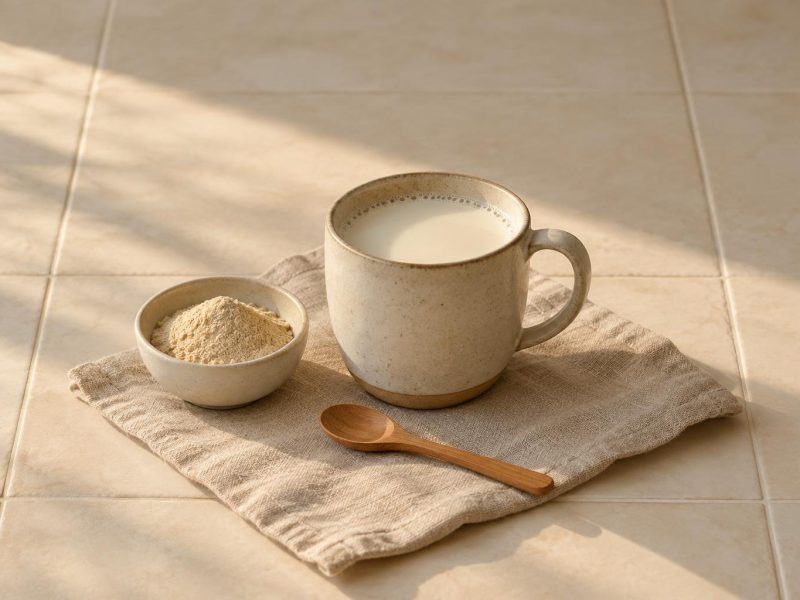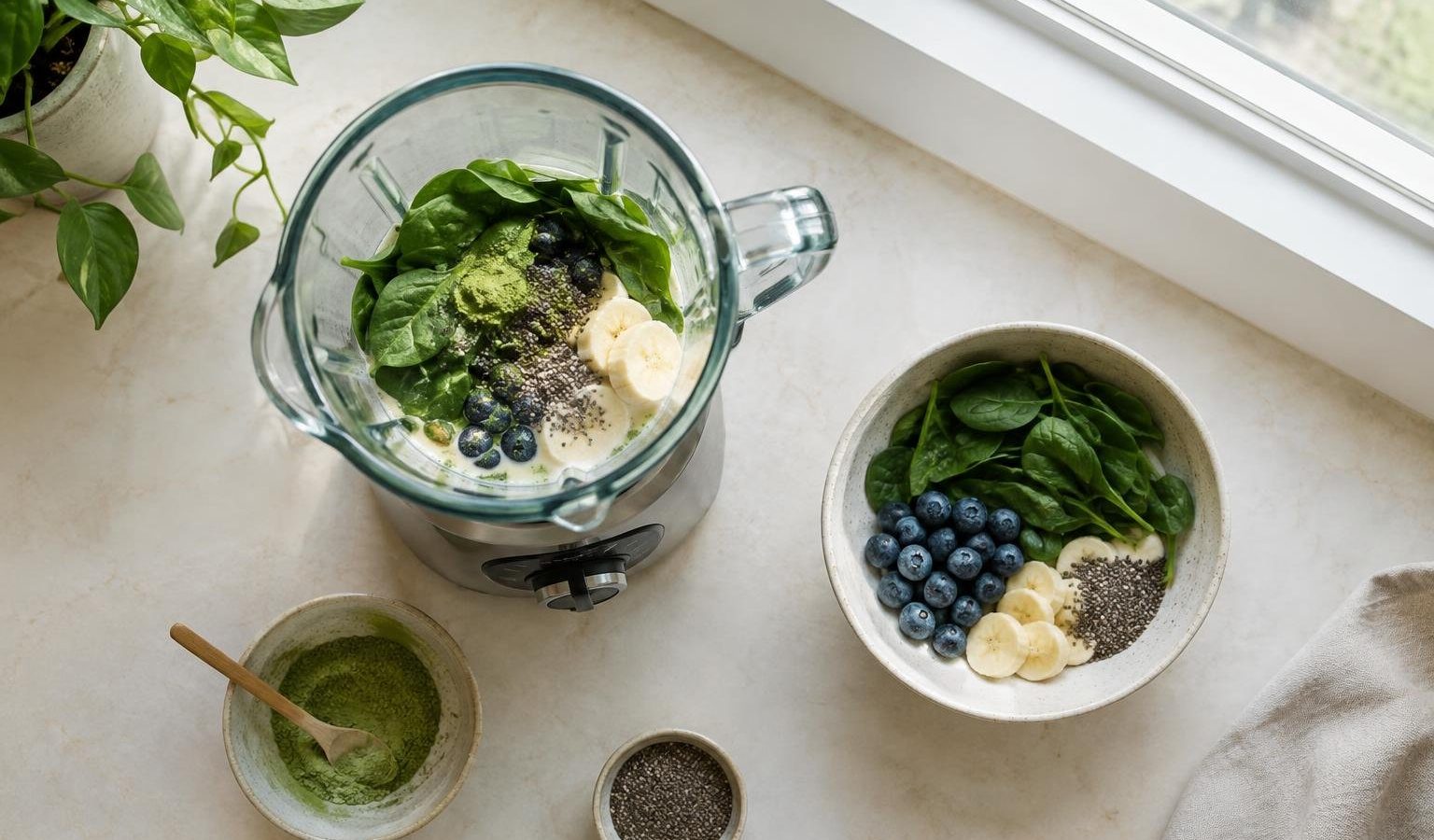
A sea moss drink is a beverage made by blending sea moss, usually as a prepared gel or a powder, with water, juice, plant milk or fruit. Making one is simple, but the nutrition and iodine content of the finished drink can be hard to know, especially at home. This guide explains how these drinks are made, what to look for on a label, and which safety questions to ask first.
What Is a Sea Moss Drink?
Sea moss is a type of seaweed. In drinks, it is almost never used whole. It is first soaked and blended into a smooth gel, or sold dried and ground into a powder. That base is then mixed into a liquid to make a smoothie-style drink, a thick chilled beverage, or a warm drink.
You will see sea moss drinks in three common forms:
- Homemade drinks blended from a gel you prepare yourself.
- Powder-based drinks stirred or blended from a dried product.
- Bottled ready-to-drink products sold chilled or shelf-stable, usually with added fruit or sweeteners.
These differ a lot in ingredients, so a drink labeled “sea moss” can vary widely from one product to the next.
How Sea Moss Drinks Are Made
Homemade drinks from gel
Most homemade versions begin with a gel. The general steps are to rinse the dried seaweed well, soak it in clean water until it softens, blend it with fresh water until smooth, and store the gel in a clean container in the refrigerator. For step-by-step detail on that stage, see our guide on how to make sea moss gel, including storage and safety.
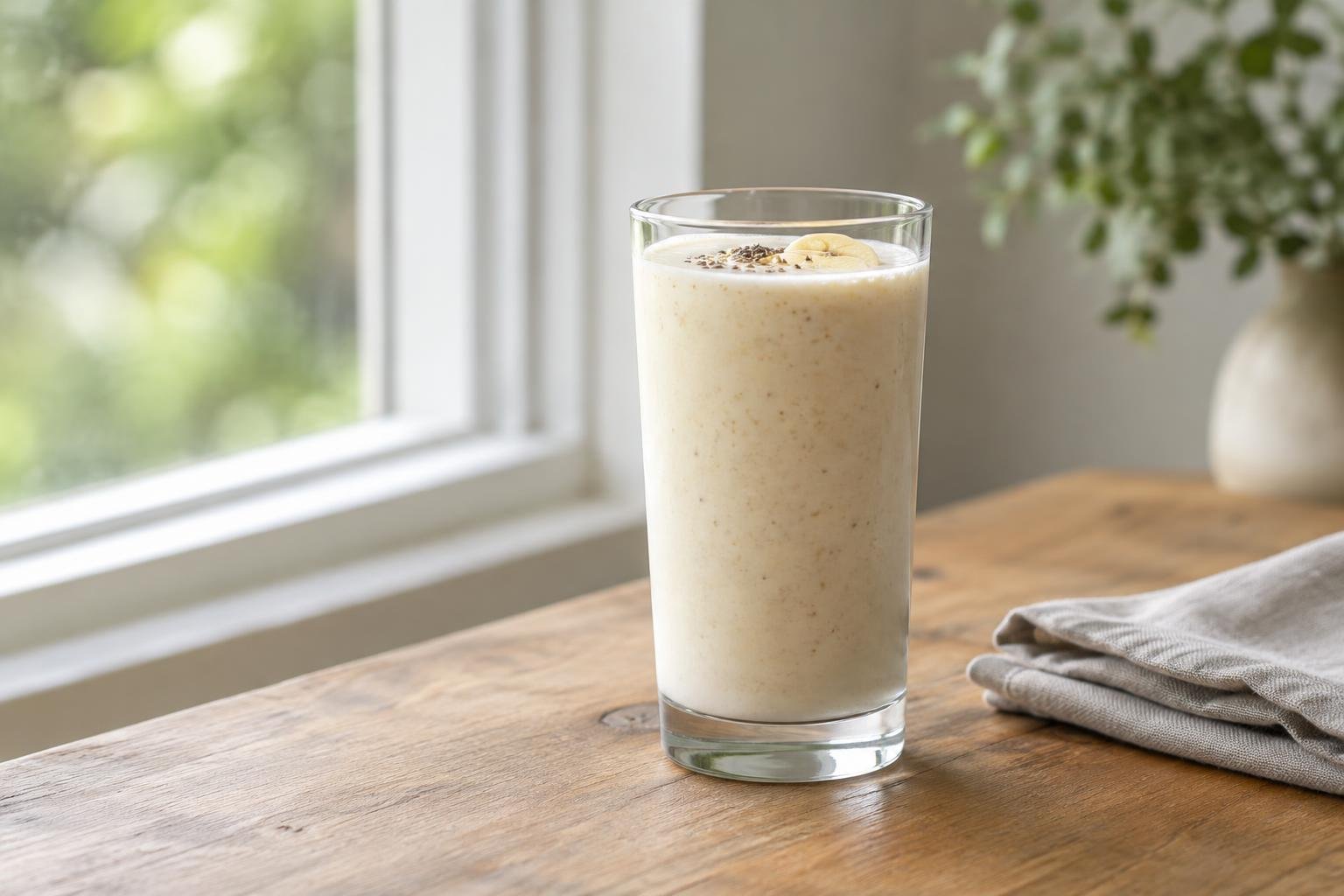
To turn the gel into a drink, people blend some of it with other ingredients. Common choices are fruit, a splash of juice, plant milk, ice, or a little spice. The gel adds body and a thicker texture, while the flavor mostly comes from whatever it is blended with. Some people find plain sea moss has a mild, slightly sea-like taste that fruit and spices cover easily.
Powder and bottled versions
Powders are mixed into water or another liquid and stirred or blended. Bottled drinks are made in a factory, often with fruit juice, sweeteners, flavorings or thickeners added. Because the recipe belongs to the maker, the only way to know what is inside is to read the ingredient list and nutrition panel.
Why preparation matters
A homemade gel is a fresh, water-based food, so clean tools, clean water and cold storage matter. Throw it out if it smells or looks off. These are general kitchen habits and not specific to sea moss.
Nutrition Facts: What You Can and Cannot Know
It is tempting to read a sea moss drink as a nutrient-rich food, but the nutrition of the finished drink depends mostly on what else goes into the glass. A drink blended with fruit juice and sweetener will look very different from one made with water and a little gel.
Here is what to check on a bottled or packaged product:
- Serving size. A bottle may contain more than one serving, so the numbers on the panel may need to be multiplied.
- Calories and sugar. Juice, syrups and fruit concentrates can raise both.
- Ingredient list. Check where sea moss appears in the ingredient list, and read the full list for other additions.
- Added thickeners or flavorings. These are listed in the ingredients.
- Minerals listed. Some labels list certain minerals, and some do not.
A homemade drink has no label at all. That means the calories, minerals and iodine are estimates at best. Be cautious of any social media post that gives exact nutrient numbers for a homemade drink, since those figures may not have been measured.
Iodine Considerations
Iodine is a common topic when people talk about seaweed products, including sea moss drinks. The amount in a drink is usually unclear. A homemade gel is not tested, and the amount in a drink depends on how much gel goes in and on the seaweed itself. A bottled drink may or may not list iodine on its label.
For that reason, a few practical points are worth keeping in mind:
- If iodine is not listed on a label, you cannot tell how much is in the drink. The maker or a pharmacist may be able to help.
- If you also use other supplements or seaweed products, check each label for iodine, since the amounts can differ from one product to the next (MedlinePlus).
- People with a thyroid condition, or anyone who has been told to watch their iodine intake, should ask their doctor before adding a sea moss drink to their routine.
Reliable general safety data on sea moss drinks is limited, so there is no widely accepted “safe” amount to point to. Follow the product label if you buy a ready-made drink, and check with a doctor or pharmacist about your own situation. For a look at a related product format and how its labels handle iodine, see our article on sea moss gummies, their contents, iodine and labels.
Safety, Side Effects and Interactions
It is important to consider safety before using any complementary health product, including herbal and dietary supplement products (NCCIH). A sea moss drink falls into that space, and several points are worth keeping in mind.
Side effects
Safety data on sea moss drinks is limited, so a full list of side effects cannot be given with confidence. If you notice any unusual symptoms after trying one, stop and speak with a health professional.
Medication interactions
Research on how sea moss drinks interact with medicines is limited. Because iodine intake matters for some people, anyone who takes thyroid medication or any prescription medicine should ask a pharmacist or doctor before using a sea moss drink regularly (MedlinePlus).
Who should be extra careful
Talk to a doctor first if you are in any of these groups:
- Pregnant or breastfeeding.
- Giving a drink to a child.
- Living with a thyroid condition or another chronic health condition.
- Taking prescription or over-the-counter medicines or other supplements.
These are precautions because the evidence is thin, not signs that harm has been proven. A sea moss drink should never replace medical care or prescribed treatment.
How to Choose a Sea Moss Drink
If you decide to try one, a few label habits help. Look for a full ingredient list and a nutrition panel. Check the sugar content, since fruit-flavored drinks can be sweet. Look for storage instructions, because many products need to stay cold. Follow the directions on the product label, and ask a doctor or pharmacist if you are unsure how it fits with your health or medicines.
If you prefer a warm, traditional-style herbal drink, our guide to ashwagandha tea, including taste, preparation and safety facts shows how another herbal drink is prepared and what to check before trying it.
Frequently Asked Questions
Is a sea moss drink the same as sea moss gel?
Not exactly. Gel is the base. A drink is the gel (or powder) mixed with a liquid and usually other ingredients such as fruit.
Does a sea moss drink contain iodine?
Iodine is a common question with seaweed products, but the amount in any one drink is often unknown. A bottled drink may list it on the label. A homemade drink will not, so ask a health professional if iodine matters for you.
Can I give a sea moss drink to my child?
Safety data for children is limited. Speak with your child’s doctor before offering one (NCCIH).
Is a bottled sea moss drink safer than a homemade one?
Neither is automatically safer. A bottled drink has a label you can read, while a homemade one depends on clean preparation and cold storage. In both cases, check ingredients and ask a doctor or pharmacist about your own needs.
Bottom Line
A sea moss drink is a simple blend of sea moss gel or powder with a liquid, and its nutrition depends largely on the other ingredients. The biggest unknown is iodine, because the amount is often unclear, especially in homemade versions. Safety data is limited, and it is important to consider safety before using any complementary health product (NCCIH). Read labels, follow product directions, and check with a doctor or pharmacist first if you are pregnant, breastfeeding, have a thyroid or other health condition, or take medicine.