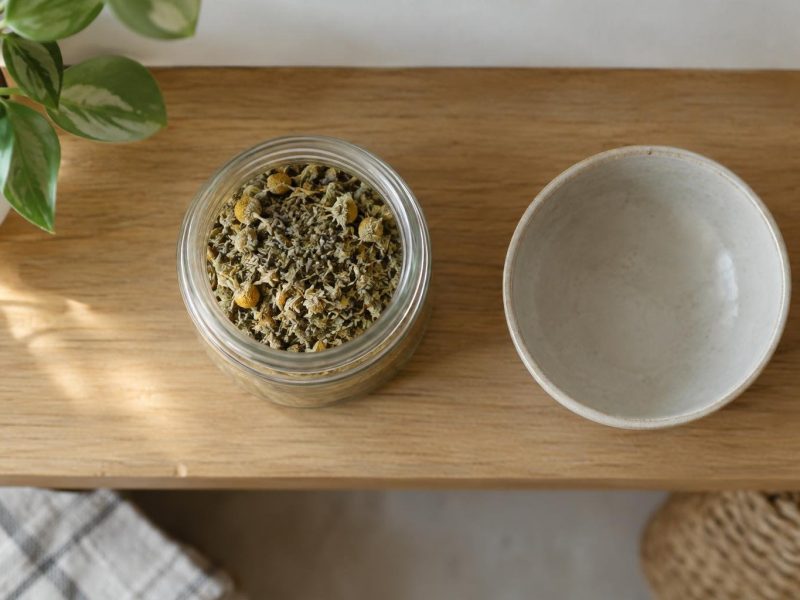
Sea moss gummies are chewable supplements made with sea moss, an edible seaweed, plus a gelling agent, a sweetener and flavoring. Two common questions are how much iodine a gummy provides and whether it could carry heavy metals. The label is the best place to start, and this guide shows what to look for.

What Sea Moss Gummies Contain
The sea moss itself
Sea moss is a type of algae that grows in the sea. Herbal supplements are made from plants, algae, fungi, or a combination of these, and they are sold as teas, extracts, tablets, capsules, powders, or other forms (NCCIH). A gummy is one more way to package an algae ingredient.
In many gummies, the sea moss is listed as a powder, an extract, or part of a blend. The amount per gummy can differ between brands, so check the label for the exact amount.
The other ingredients
A gummy needs more than seaweed to hold its shape and taste good. Common extras include:
- A gelling agent, such as pectin or gelatin
- A sweetener, such as sugar, syrup or a sugar substitute
- Flavors and colors
- Added vitamins or minerals in some products
- Other herbs or botanicals in blends
Blends deserve extra attention, because each added ingredient is one more thing to review with your medications and health conditions. If you are comparing gummies in general, see our guide to choosing an herbal gummy for more label basics.
Iodine: What to Know
Iodine is a mineral, and minerals are one of the dietary ingredients that supplements can contain (NCCIH). A sea moss gummy may or may not list iodine on its label. If iodine is not listed, you cannot tell how much the product provides, and that is worth knowing before you buy.
If iodine is listed, look at the amount per serving and the serving size. Then think about everything else you take, such as multivitamins or other seaweed products, since these may add to your total intake. Tell your health care provider about any dietary supplements you use (MedlinePlus).
Safety data on sea moss gummies specifically is limited, so a personal question about iodine, such as how it fits with a thyroid condition or your medications, is best answered by a doctor or pharmacist who knows your history.
Heavy Metal Concerns
Why metals show up in plant foods
Arsenic, lead, cadmium and mercury can occur naturally in the environment, as elements in the earth’s crust, and also from human activities. The amount in a food depends on how much is in the environment and how much the plant or animal takes up from it (FDA). Levels in the water, air and soil used to grow crops can vary with natural geography and with closeness to past or current pollution.
Because the amount depends on what an organism takes up from its surroundings, where and how an ingredient was grown may matter. Look for brands that say where their sea moss comes from and whether they test finished products.
What regulators say
The FDA says its goal is to reduce dietary exposure to these contaminants as low as possible while keeping nutritious foods available. It has prioritized foods commonly eaten by babies and young children, because their smaller body sizes and metabolism make them more vulnerable to the harmful effects of these contaminants. Its proposed action levels so far focus on baby foods and other foods commonly eaten by babies and young children.
For supplements, federal regulations say manufacturers must make products in a quality manner, ensure they do not contain contaminants or impurities, and label them accurately (NCCIH). The FDA is generally not authorized to review supplements for safety and effectiveness before they are sold, and it can act against adulterated or misbranded products only after they are on the market. It also says it cannot test every product marketed as a dietary supplement. Federal rules make companies responsible for having evidence that their supplements are safe and for keeping labels truthful.

How to Read a Sea Moss Gummy Label
A label cannot guarantee quality, but it can show you a lot. Here is a simple checklist:
- Find the ingredient list and the amount per serving. Check how much sea moss is in one gummy and how many gummies make a serving.
- Look for iodine. See whether it is listed and in what amount. Remember that other products you use may add to it.
- Check the other ingredients. Note any added vitamins, minerals or herbs, and any sweeteners or allergens that matter to you.
- Look for origin and testing information. Some companies say where the sea moss was harvested and whether a lab tested the finished product for contaminants. Vague wording like “ocean-sourced” tells you little.
- Read the claims carefully. A supplement label cannot claim to diagnose, treat, cure, mitigate or prevent a disease. Statements about how a product affects the body’s normal structure or function must carry a disclaimer that the FDA has not evaluated them (NCCIH).
- Read the label directions. If you are unsure how to use a product, ask a pharmacist or doctor.
Be cautious about “immune boosting” wording. A 2022 review looked at 27 ingredients common in supplements with immune claims and found rigorous human studies for only eight. Some suggested possible benefits, but the evidence was not strong enough for firm conclusions. Research on sea moss gummies specifically is limited, so broad claims should be read with caution.
Safety, Side Effects and Interactions
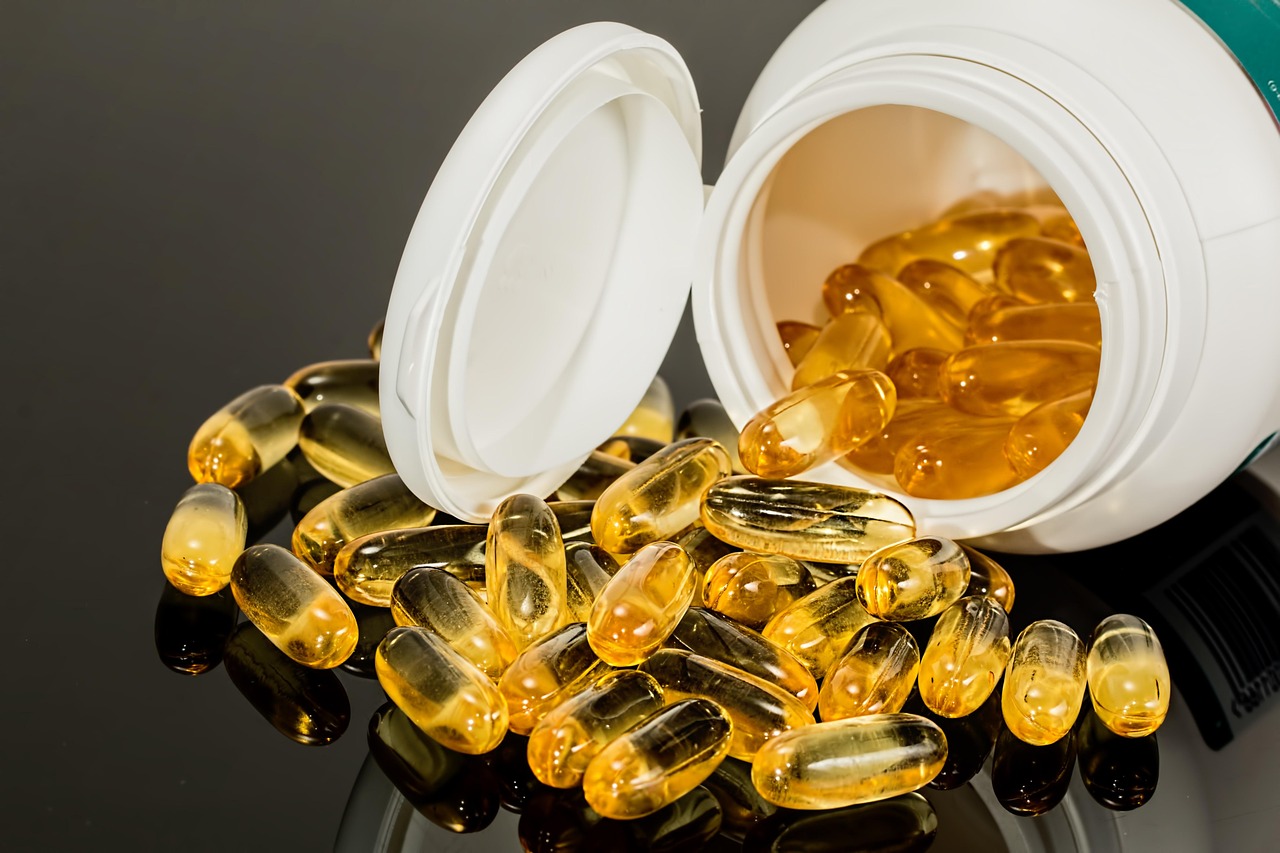
Safety data on sea moss gummies specifically is limited, so the points below apply to dietary supplements in general.
- Side effects: Safety data on side effects is limited. If you notice anything unusual after using a supplement, contact a health care provider. You can also report safety concerns through the U.S. Health and Human Services Safety Reporting Portal (NCCIH).
- Medications: Supplements can interact with medicines in unexpected ways, and they do not have to go through the testing that drugs do. Tell your health care provider about every supplement you use (MedlinePlus). A pharmacist can also check a product against your prescriptions.
- Medical conditions and surgery: Dietary supplements may pose risks if you have certain medical problems or are going to have surgery. Ask your provider before using a new one, especially if you have a chronic condition.
- Pregnancy, breastfeeding and children: Many dietary supplements have not been tested in pregnant women, nursing mothers or children. Babies and young children are more vulnerable to the harmful effects of heavy metals in food (FDA). Talk with a doctor before giving any gummy to a child or using one while pregnant or breastfeeding.
- Label accuracy: What is on the label may not be what is in the product. Supplements you buy may also differ in important ways from products tested in studies.
Store gummies out of reach of children, since they may look like candy.
Frequently Asked Questions
Do sea moss gummies contain iodine?
It depends on the product. Check the label for iodine and the amount per serving. If it is not listed, the amount is unknown. Ask a doctor or pharmacist if you have questions about your own situation.
Can sea moss gummies contain heavy metals?
Arsenic, lead, cadmium and mercury can occur in the environment, and plants and animals take them up from the water, air and soil around them (FDA). Choose products from companies that are open about sourcing and testing. No label can promise a product is free of contaminants.
Are sea moss gummies proven to work?
Strong evidence for many supplement claims is often lacking (NCCIH), and research on sea moss gummies specifically is limited. Treat bold promises with caution.
Are sea moss gummies safe for kids?
Many supplements have not been tested in children, so ask a pediatrician before giving any. Babies and young children are more vulnerable to contaminants, so extra care is wise.
Bottom Line
Sea moss gummies combine a seaweed ingredient with gummy base ingredients, and the label tells you far more than the marketing does. Check the amount of sea moss, whether iodine is listed, what else is in the gummy, and whether the company shares sourcing and testing details. The FDA is generally not authorized to review supplements for safety before they are sold (NCCIH), and safety data on sea moss gummies is limited, so talk with a doctor or pharmacist first, especially if you take medications, have a chronic condition, are pregnant or breastfeeding, or are choosing for a child.