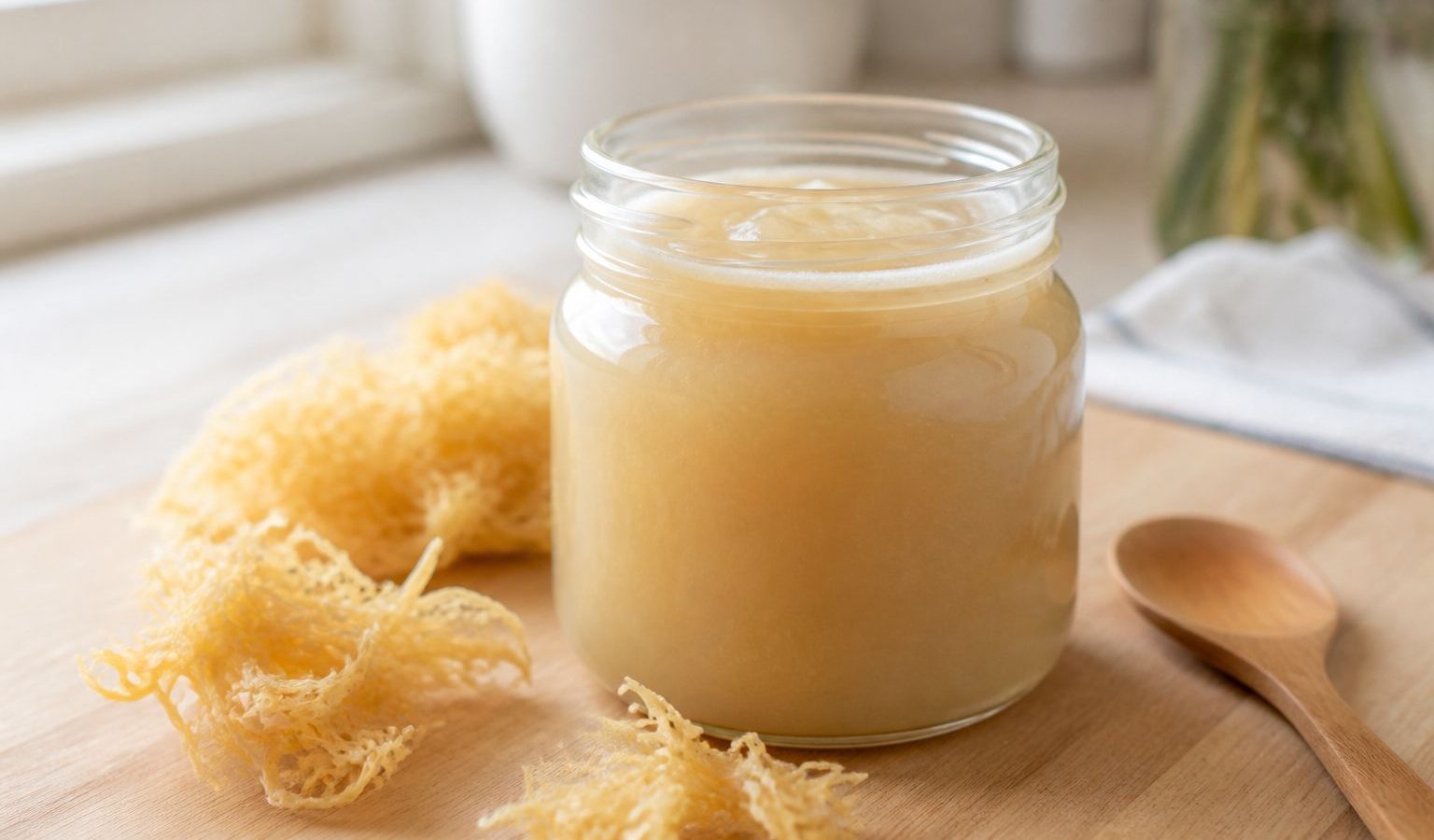
To learn how to make sea moss gel, you rinse dried sea moss well, soak it in clean water until soft, then blend it with fresh water until smooth and keep it chilled in a clean, covered jar. The steps are simple, but cleaning, clean storage and knowing what you are eating matter just as much as the recipe. This guide walks through each step and explains food safety and iodine cautions.
What Sea Moss Gel Is
Sea moss is an edible seaweed. When it is soaked and blended with water, it turns into a thick, neutral-tasting gel. Home cooks often stir the gel into smoothies, soups, sauces and desserts as a thickener, much like other seaweed-based thickeners.
Online, sea moss gel is often promoted with big health claims. Treat the gel as a food ingredient, not a treatment for any condition. If you have a health concern, talk to a doctor or pharmacist rather than relying on a trend.
What You Need Before You Start
- Dried sea moss from a seller that clearly lists the product, where it was harvested and how it was processed. If a label is vague, consider choosing another product.
- Clean drinking water for rinsing, soaking and blending.
- A large clean bowl for soaking.
- A blender that you have washed well.
- A clean glass jar with a tight lid, washed in hot, soapy water and rinsed well.
Optional flavorings such as lime juice are not needed. Keeping the gel plain makes it easier to use in both sweet and savory dishes.
How to Make Sea Moss Gel, Step by Step
Step 1: Inspect and Rinse
Spread the dried sea moss out and look it over. Remove any visible debris, shell pieces, sand or anything that looks off. Then rinse it under cool running water, rubbing the pieces gently with your fingers. Dried sea moss often has a salty, sandy surface, so a thorough rinse is worthwhile.
Step 2: Soak Until Soft
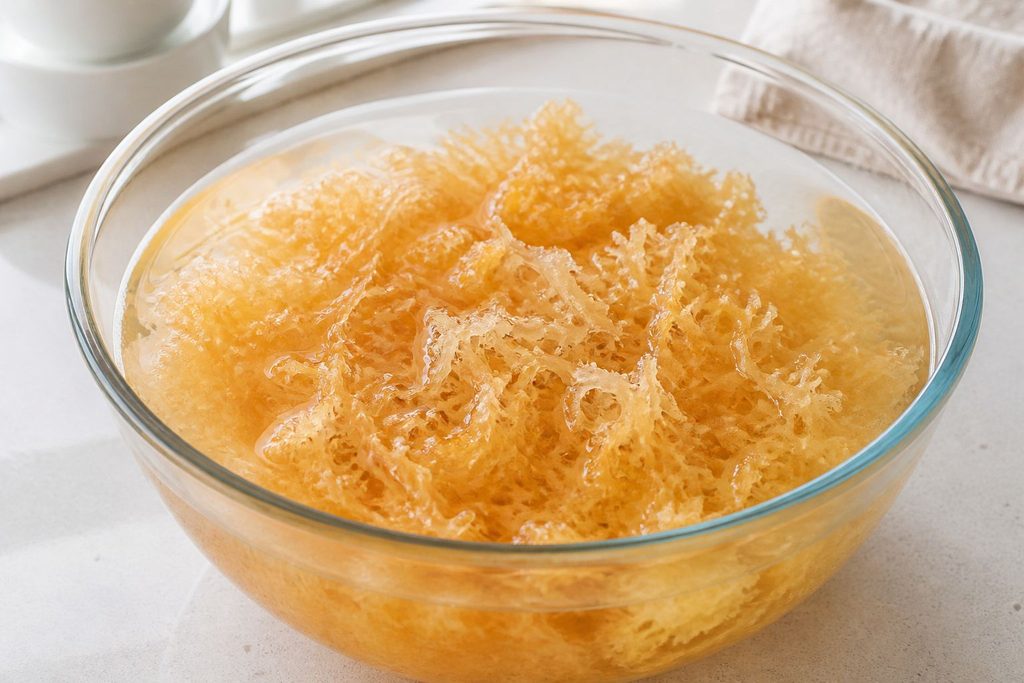
Place the rinsed sea moss in a clean bowl and cover it generously with clean drinking water. Leave it until it becomes soft, plump and slippery, and has clearly expanded. Keep the bowl covered and out of direct sun. If your kitchen is warm, soak it in the refrigerator instead, since food left at warm temperatures can spoil.
Soaking times vary by product, so follow the seller’s directions if they give any. The sea moss is ready when it feels uniformly soft with no hard, dry centers.
Step 3: Rinse Again
Drain the soaking water and discard it. Rinse the softened sea moss again, checking for sand or grit. Smell it. It should smell mild and a bit like the sea. A sour, rotten or strongly unpleasant smell is a reason to throw it out.
Step 4: Blend With Fresh Water
Put the soaked sea moss in the blender and add fresh, clean water. Blend until the mixture is completely smooth, with no visible bits. Use less water for a thicker gel and more for a thinner, pourable one. If you are unsure, start with less and add water a little at a time. A gel that is too thin is easy to fix by blending in more soaked sea moss, though it is better to make small adjustments than to throw away a batch.
Step 5: Transfer and Chill
Pour the gel into your clean jar, close the lid and refrigerate it. It will firm up as it cools, and the texture should be soft and spoonable, like a loose jelly. Always use a clean spoon to scoop it out so you do not introduce bacteria from your mouth, hands or other foods.
Storage and Food Safety
Homemade sea moss gel has no preservatives and is mostly water, so it can spoil. Treat it like other fresh, perishable foods.
- Refrigerate promptly. Do not leave the gel on the counter once it is blended.
- Use a clean, airtight container. A washed glass jar with a tight lid works well.
- Label the jar with the date you made it, so you can keep track of how long it has been stored.
- Keep the batch small. Smaller batches mean less gel is left over to store.
- Use clean utensils every time and never double-dip.
- Freezing is an option for extra gel. Freeze it in small, clean containers and thaw only what you need in the refrigerator.
There is no single storage time that fits every kitchen, because it depends on how clean your equipment is, how cold your refrigerator runs and how much water the gel contains. Throw the gel away if you notice any mold, a sour or “off” smell, a change in color, a new slimy or watery separation, or bubbling. If you are unsure, discard it. Do not taste a gel to test whether it has gone bad.
Pregnant people and people with a weakened immune system should ask a healthcare professional whether homemade gel is right for them.
Iodine: What to Know Before You Eat Sea Moss Gel
Iodine is the main nutrition concern to keep in mind with sea moss. Iodine helps the body make thyroid hormones, which help keep cells and the metabolic rate healthy (NHS). Adults need 140 micrograms of iodine a day. Most people can get enough from a varied, balanced diet that includes foods such as cows’ milk and dairy products, eggs, sea fish and shellfish.
The concern is getting too much. Taking high doses of iodine for long periods of time could change the way the thyroid gland works, which can lead to a range of symptoms, such as weight gain. Iodine in plant foods depends on the iodine in the soil where they grow, so the amount in a batch of homemade gel is hard to know. A homemade gel has no label, so the iodine in each spoonful is unclear.
For more on iodine, labels and ready-made products, see our guide to sea moss gummies, iodine and labels.
Safety, Side Effects and Interactions
Side effects
Safety data on sea moss gel as a food or supplement is limited, so a full list of side effects cannot be given. The best-documented concern in this guide is iodine. Too much iodine from supplements could be harmful, and long-term high intakes could change how the thyroid works (NHS). Stop eating the gel and seek medical advice if you feel unwell after eating it, and see a doctor promptly if you have symptoms that worry you.
Medicines and interactions
Research on how sea moss gel interacts with medicines is limited. Herbs and botanicals in general can interact with medicines, so it is wise to check before adding a new one to your routine (NCCIH). If you take any prescription medicine, especially a thyroid medicine, ask your doctor or pharmacist before using sea moss gel regularly.
Who should be especially careful
- People with thyroid conditions or anyone who has been told to watch iodine intake.
- Pregnant and breastfeeding women. Safety data is limited, so ask a doctor first.
- Children. Safety data is limited, so check with a pediatrician.
- People with chronic conditions or who take regular medicines.
- People who already take iodine or multivitamin supplements, because iodine from several sources adds to the total intake. If you are considering an iodine supplement, ask a healthcare professional first.
Ask your doctor or pharmacist what amount, if any, is suitable for you, and follow the label of any commercial product you buy.
Frequently Asked Questions
How long does homemade sea moss gel last?
It depends on how clean your equipment is and how cold your refrigerator is, so there is no exact number to rely on. Keep it chilled in a clean airtight jar, label it with the date, and throw it out at the first sign of mold, a sour smell or a color change.
Can I leave the gel out on the counter?
No. The gel is mostly water and has no preservatives, so it should be refrigerated right after blending and returned to the refrigerator after each use.
Why does my gel smell strongly of the sea?
A mild ocean smell is normal, and extra rinsing can reduce it. A sour, rotten or sharp smell is not normal, and the batch should be discarded.
Is sea moss gel safe for everyone?
Not necessarily. Iodine is a concern for people with thyroid conditions (NHS), and safety data for pregnancy, breastfeeding and children is limited. Ask a doctor or pharmacist first if any of these apply to you.
Bottom Line
Making sea moss gel is easy: inspect and rinse, soak until soft, rinse again, blend with fresh water and refrigerate in a clean jar. Food safety is the key to a good batch, so keep your equipment clean, make small amounts and discard anything that looks or smells wrong. Iodine is the main nutrition concern, and the amount in homemade gel is hard to know (NHS), so ask a healthcare professional before eating it regularly, especially if you have a thyroid condition, are pregnant or breastfeeding, give it to children or take medicines.