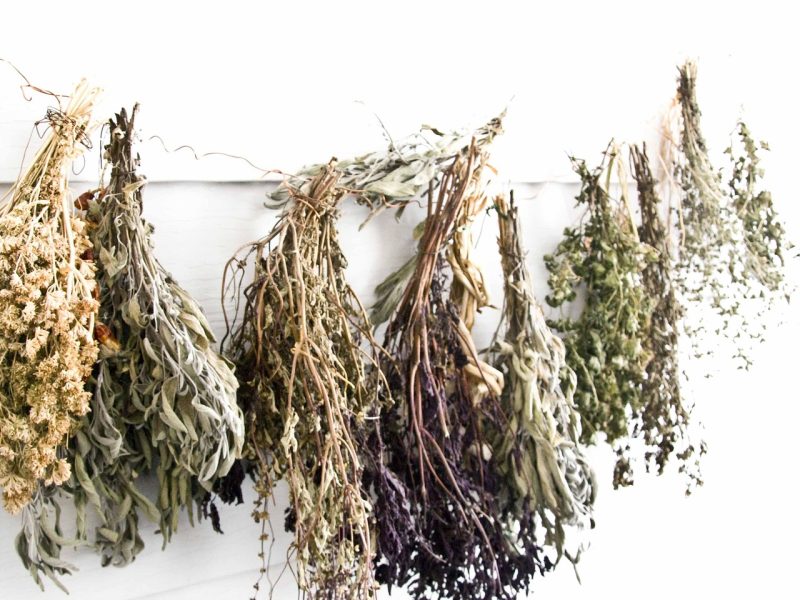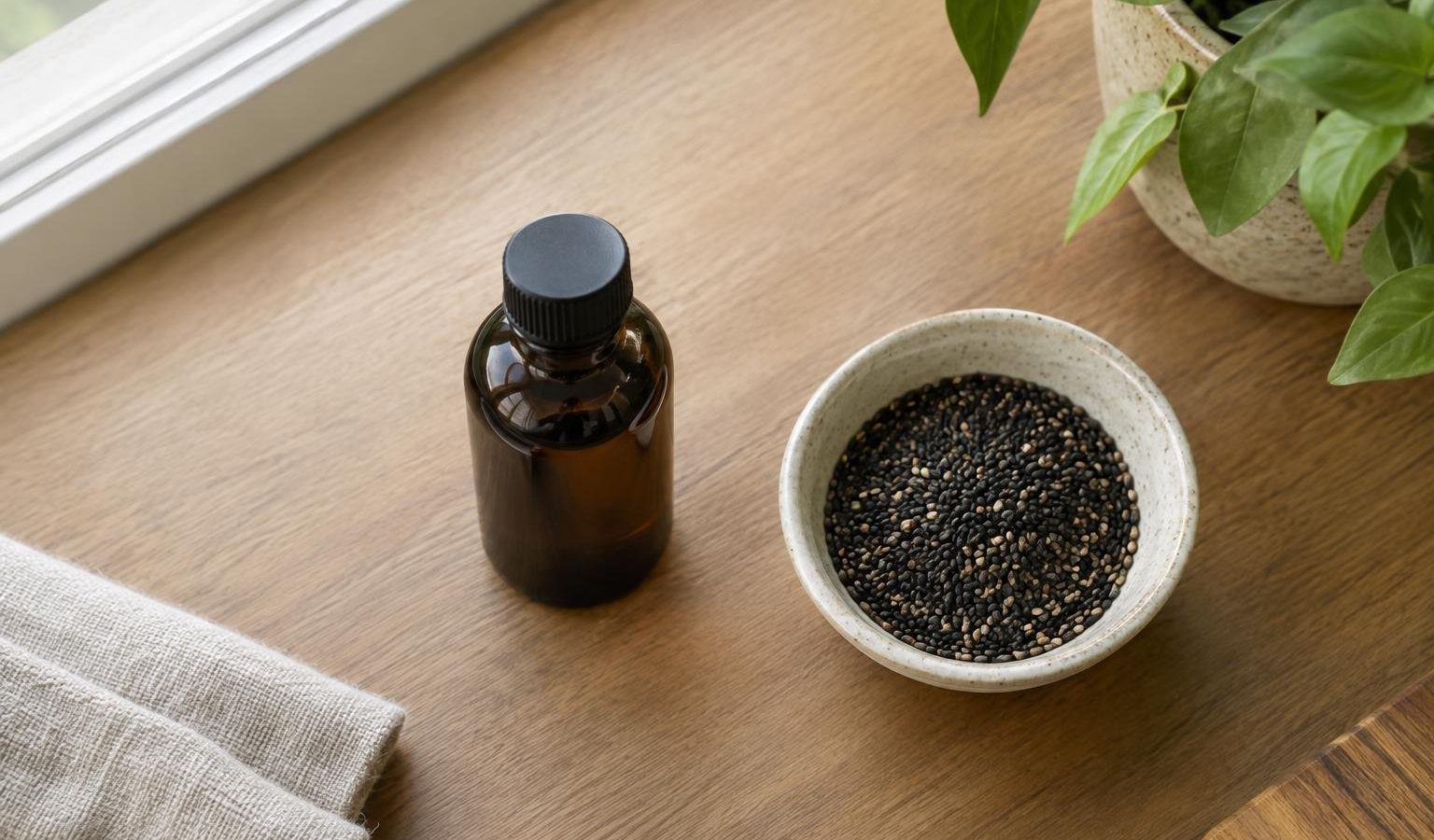
Black seed oil traditional uses refer to the long-standing ways people have used oil from Nigella sativa seeds in traditional healing. Tradition is not the same as proof, though. Research on Nigella sativa is still early, so it helps to keep “used for a long time” and “shown to work” as two separate ideas.
What “Traditional Use” Really Means
Black seed is the common name for Nigella sativa, and black seed oil is pressed from its seeds. When a herb is described as having “traditional uses,” it means people have relied on it in folk or traditional medicine over a long time. It does not mean the herb was tested in modern clinical trials, and it does not mean it is safe for everyone.
Some claims about black seed in ancient cultures are repeated widely, often with exact details about who used it and for what. Many of these have no clear historical record behind them. Treat any precise historical claim with caution unless it points to a traceable source.
A more useful approach is to ask two separate questions. First, what has tradition suggested? Second, what have careful human studies actually found? The sections below keep those two questions apart.
Lessons From Other Herbs: History Is Not Proof
Two well-studied herbs show how far traditional reputation can be from modern evidence. They are different plants from black seed, but the pattern is helpful.
Garlic
Ancient writings from Egypt, Greece and India describe garlic being used for problems such as headache, pneumonia, throat conditions and digestive disorders. Today, a great deal of research exists on garlic, and garlic supplements may lower cholesterol to a small extent in people who have high cholesterol. By contrast, very little research supports the popular idea of garlic as an immune booster (NCCIH). A long history, in other words, matched only some modern claims, and only modestly.
Turmeric
Turmeric has been used in Chinese, Indian (including Ayurvedic), Islamic and Thai traditional medicine for conditions such as indigestion, colds, skin infections, arthritis and liver disease. Even after many studies, the National Center for Complementary and Integrative Health says we do not know enough to conclude definitively that turmeric or curcumin is beneficial for any health purpose (NCCIH). Centuries of use did not settle the question.
The lesson applies to black seed oil too. A herb can have a rich history and still lack strong human evidence.
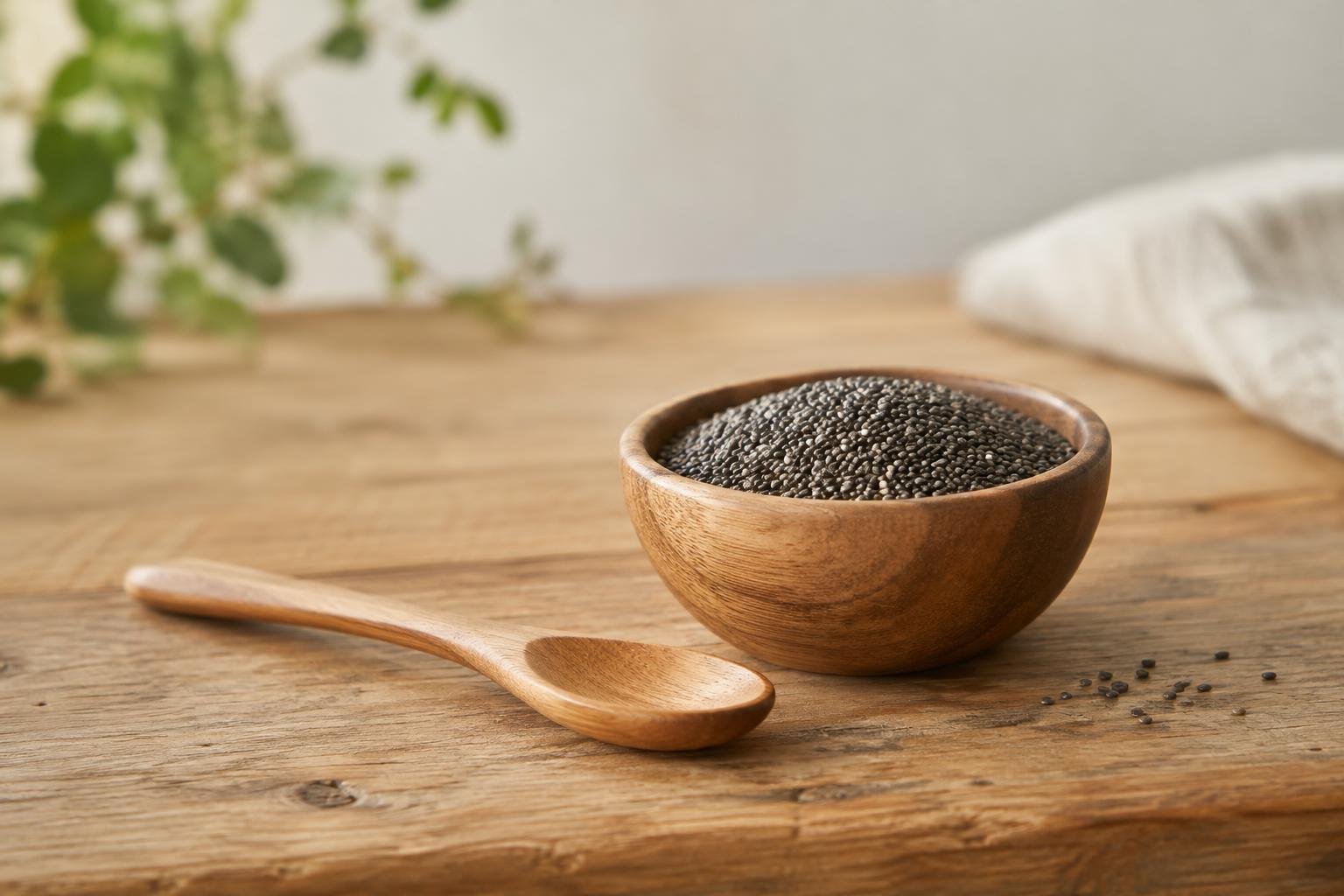
What Research Says About Nigella Sativa So Far
The clearest human research signal in this area comes from asthma. A 2025 systematic review looked at 23 clinical trials published between 1990 and 2023 on plant-based medicines in people with bronchial asthma. Nine studies of sufficient quality reported beneficial effects of various plants, with Nigella sativa given as one example, on asthma symptoms, lung function and immune-related measures (PubMed).
This is encouraging, but it has clear limits:
- The review covered several plants, so it does not tell us how much of the benefit came from Nigella sativa itself.
- The authors concluded that further rigorous studies are needed before anyone can give evidence-based guidance on add-on options for people with asthma.
- Asthma is a serious condition. Black seed oil should not replace prescribed asthma care.
You will also see black seed oil promoted for skin, hair, weight, blood sugar and general immunity. A single review of asthma trials cannot support those claims, so they should not be treated as proven.
Safety, Side Effects and Interactions
What is known about black seed safety
In the asthma review, the plant-based medicines were considered safe in the studies that reported on safety (PubMed). That is reassuring, but it is a limited finding. Safety data on black seed oil is limited, and the available research does not clearly define its common side effects, how it behaves alongside medicines, or how safe it is over long periods. Absence of known problems is not the same as proof of safety.
“Natural” does not mean risk-free
Other herbs show why caution makes sense. Garlic supplements may increase the risk of bleeding, which matters before surgery or for people taking anticoagulants or aspirin (NCCIH). Turmeric products can cause stomach upset, and liver damage has been reported in some people who use highly absorbable formulations (NCCIH). We cannot assume black seed oil behaves the same way, but we also cannot assume it does not. Because its safety profile is not well mapped, it is best to be careful.
Medicines and interactions
Some herbs and medicines interact in harmful ways, so anyone taking any type of medicine should talk with a health care provider before using an herbal product. Turmeric, for example, may increase the risk of bleeding with blood thinners such as warfarin, and may lessen the effects of aspirin, ibuprofen and some chemotherapy drugs (MSK). Interactions between black seed oil and specific drugs have not been well defined, so ask your doctor or pharmacist before adding it, especially if you take blood thinners, diabetes medicines, blood pressure medicines or anything prescribed for a long-term condition.
Who should be especially careful
- Pregnancy and breastfeeding: Safety data for black seed oil in these situations is limited. Some herbal supplements, such as turmeric, may be unsafe in pregnancy, and little is known about others during breastfeeding. Check with your health care provider first.
- Children: Safety data for children is limited. Ask a pediatrician before giving any herbal oil.
- People with chronic conditions, including asthma: Do not stop or change prescribed treatment because of something you read about a herb.
- Anyone planning surgery: Tell your care team about every supplement you use.
If you use black seed oil, follow the product label and talk with a doctor or pharmacist about whether it is appropriate for you. Stop and seek medical advice if you notice any unexpected symptoms.

Reading Labels and Choosing Carefully
Black seed oil is often sold as a dietary supplement or a food-type oil. In the United States, dietary supplements are not approved by the FDA before they are sold. Manufacturers and distributors are responsible for evaluating the safety and labeling of their products (NCCIH). Readers in the UK, Canada and Australia should check how their own regulators treat these products.
A few practical label habits help:
- Check whether the bottle contains black seed oil alone or a blend with other ingredients. Blends make it harder to know what is responsible for any effect or reaction. Our article on oil of oregano combined with black seed oil looks at one common blend.
- Look for the plant’s Latin name, Nigella sativa, in the ingredient list.
- Follow the label directions and store the product as instructed, usually in a cool place away from direct light.
- Be wary of any product that claims to cure or treat a disease.
Understanding what a label does and does not prove is a skill that carries across herbal products. Our guide to ashwagandha root versus leaf labels and evidence shows how to apply it to another popular herb.

Frequently Asked Questions
Does traditional use mean black seed oil works?
No. Traditional use shows that people have used a plant, not that it works or is safe. Garlic and turmeric both have long histories, yet current research supports only some of the claims made for them, or leaves the question open (NCCIH).
Has Nigella sativa been tested in people?
Yes, to a limited degree. A 2025 systematic review of asthma trials reported beneficial effects for several plants, Nigella sativa among them, but called for further rigorous studies (PubMed). Evidence for other uses is not established.
Is black seed oil safe to combine with medicines?
That is not well defined. Safety data is limited. Herbs and medicines can interact in harmful ways, and turmeric, for example, may increase the risk of bleeding with blood thinners (MSK). Ask your doctor or pharmacist before combining it with any medication.
Is black seed oil regulated like a drug?
In the US, no. Dietary supplements are not approved by the FDA before they are sold, and the FDA can act if public health concerns arise (NCCIH). Rules in other countries differ.
Bottom Line
The history of black seed oil is interesting, but history is not evidence. Early research on Nigella sativa, mainly in asthma, is encouraging and still needs stronger studies. Safety data is limited, so talk with a doctor or pharmacist before using it, especially if you are pregnant, breastfeeding, giving it to a child, living with a chronic condition or taking medication.