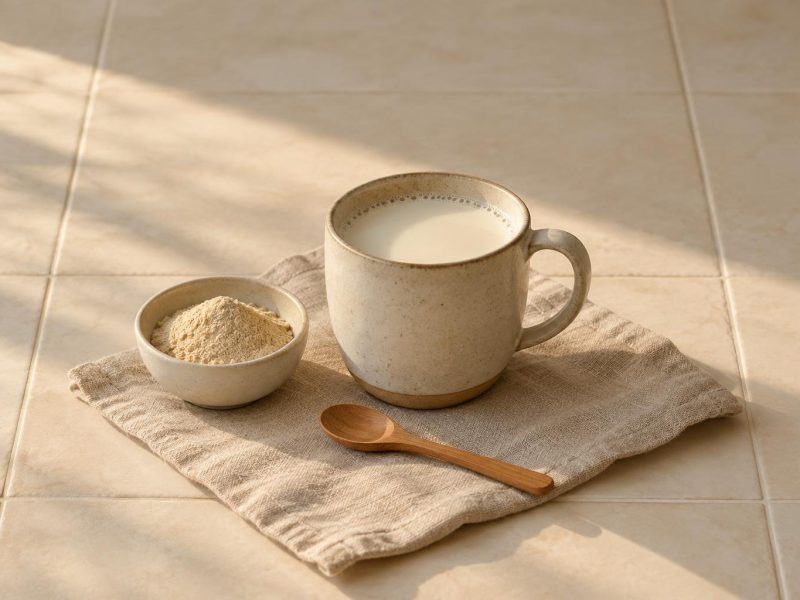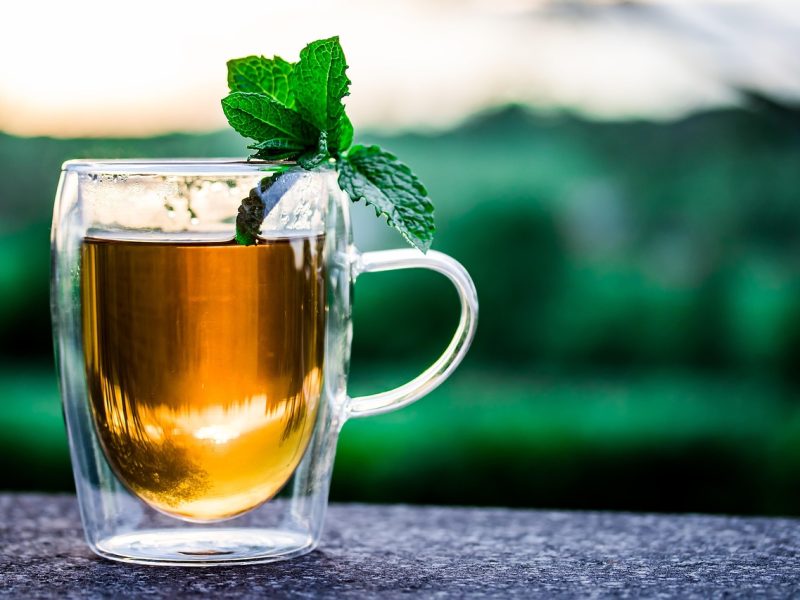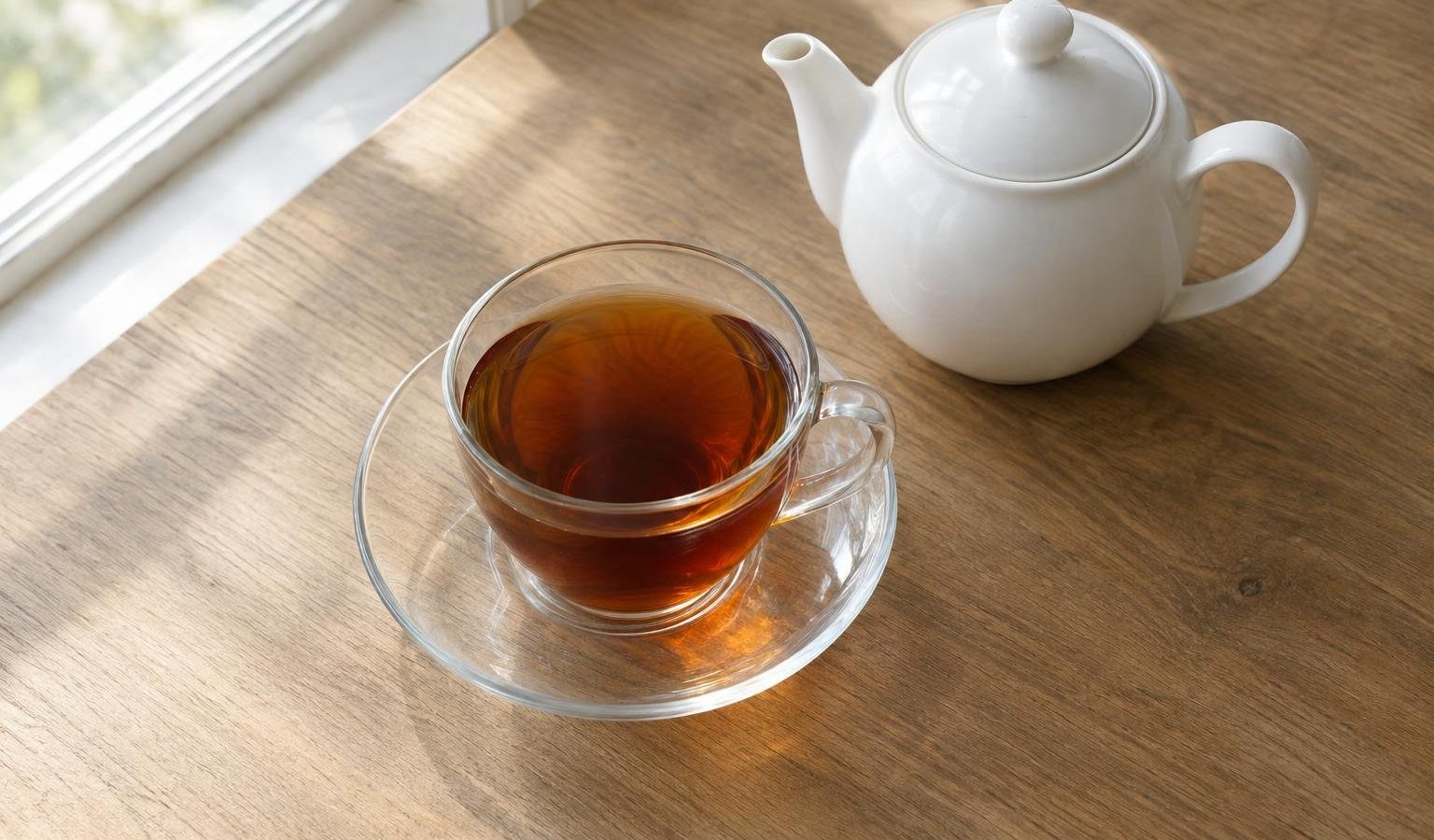
Black seed tea is a warm infusion made by steeping or gently simmering Nigella sativa seeds in hot water, then straining them out. It has a strong, peppery flavor and is often described as a traditional wellness drink. Research has not studied the tea itself, and safety data for it is limited, so it is best treated as a flavorful drink and not as a remedy.
What Is Black Seed Tea?
Black seed comes from Nigella sativa, a flowering plant. Its small, dark seeds are used as a spice in cooking in parts of the Middle East, South Asia and North Africa. They have a sharp, slightly bitter, smoky taste that some people compare to a mix of pepper and oregano.
Black seed tea is usually a simple home-style infusion. The seeds are placed in hot water, left to release their flavor, and strained. Some people add lemon or a little honey to soften the bitterness. Because the seeds do not come from the tea plant, a plain black seed infusion would not be expected to contain caffeine.
You may also see black seed sold as oil or capsules. Those products are different from tea. For more on them, see our guide to black seed oil capsules, labels and safety.
How Black Seed Tea Is Prepared
There is no single official recipe. The steps below describe a common, general way to make a mild cup. They are not a recommendation to drink it, and no safe amount of black seed has been established.
A Simple Method
- Heat fresh water until it is hot.
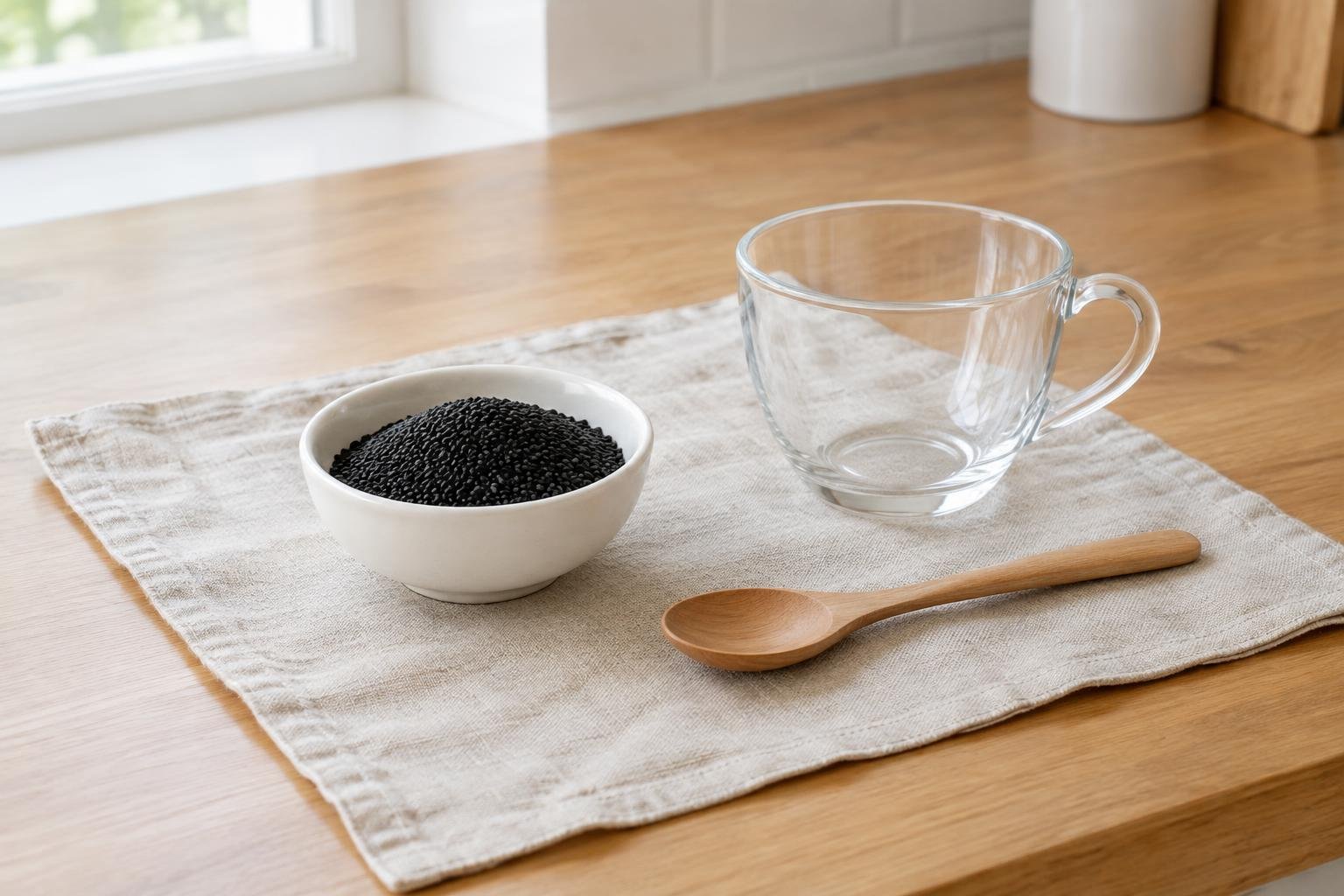
- Lightly crush the seeds, for example with the back of a spoon, if you want a stronger flavor. Some people skip this step and use them whole.
- Place the seeds in a cup or small pot and pour the hot water over them. Alternatively, simmer them gently in the water for a stronger taste.
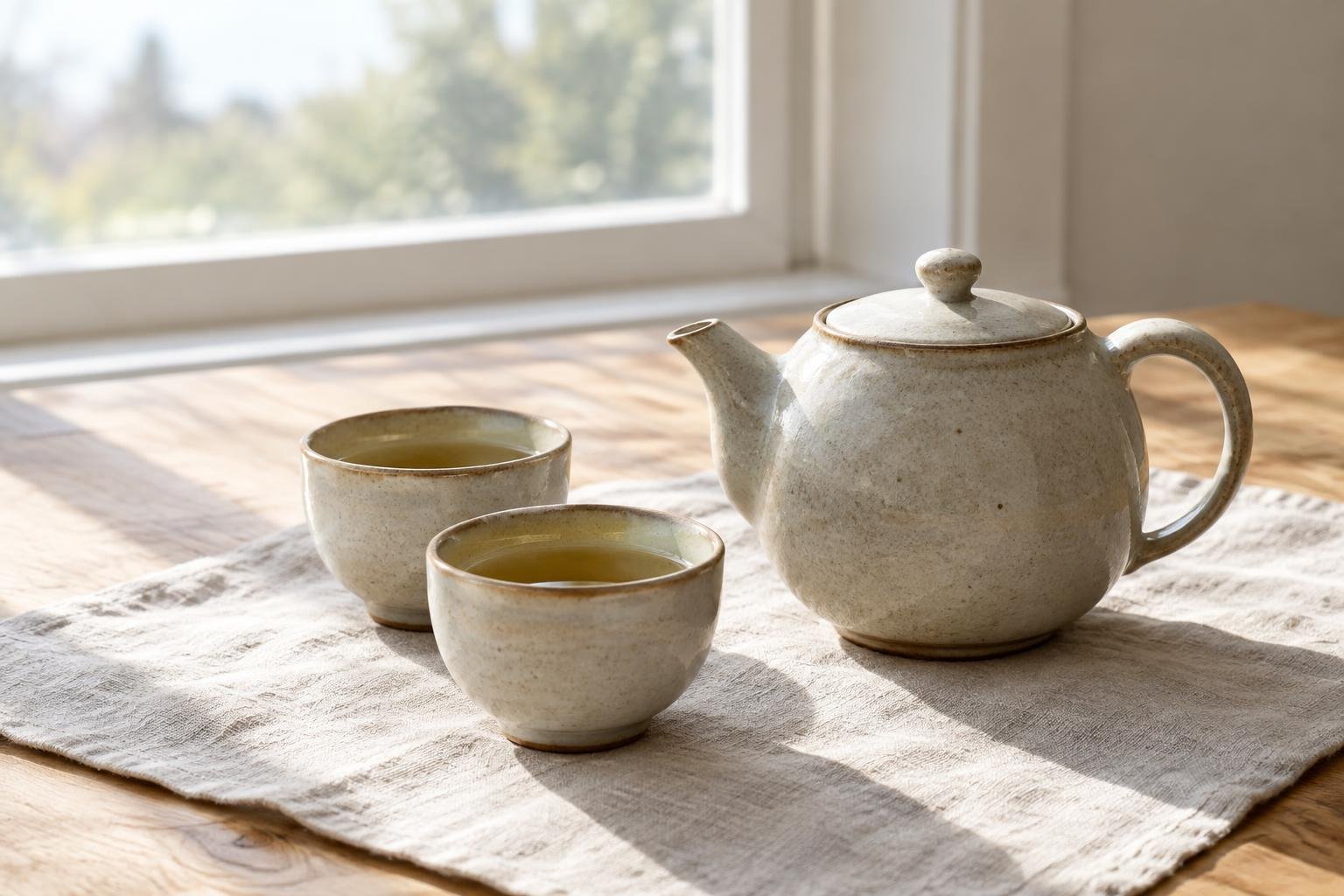
- Cover and let the tea steep until the flavor suits your taste.
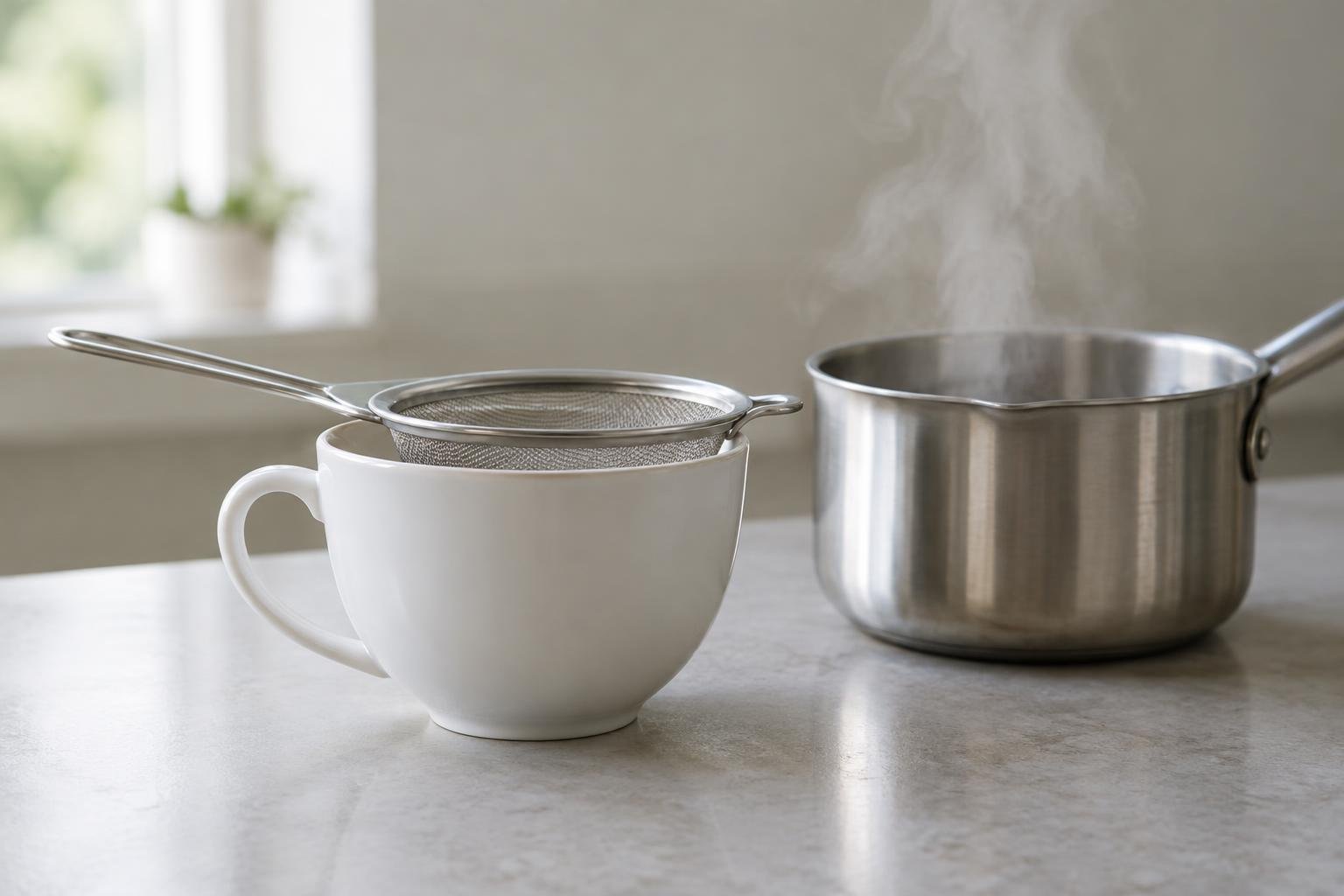
- Strain through a fine sieve into a cup and let it cool a little before sipping.
If you buy tea bags or a blend that contains black seed, follow the preparation directions on the label instead. Blends may include other herbs, which changes both the taste and the safety picture.
Taste and Storage Tips
- Expect a bold, bitter and peppery flavor. A slice of lemon or a small drizzle of honey can balance it.
- Store dry seeds in an airtight jar in a cool, dark cupboard away from heat and moisture.
- Make tea fresh for each cup. If you keep leftovers, cool them quickly, keep them covered in the refrigerator, and discard them if they smell or taste off.
Traditional Use vs. Scientific Evidence
What Tradition Tells Us
Black seed has a long place in kitchens, and seed infusions are made at home in many households. The details vary by region and by family. Traditional use shows that people have used a plant for a long time. It does not show that the plant works for a health purpose or that it is safe for everyone. For a deeper look at this gap, see our article on black seed oil traditional uses vs. evidence.
Another well-known spice shows the same pattern. Turmeric has been used for centuries in several traditional medicine systems, yet the National Center for Complementary and Integrative Health says we do not know enough to definitively conclude that it is beneficial for any health purpose (NCCIH).
What Research Has Looked At
The research on Nigella sativa discussed here does not test tea. A systematic review of herbal and anthroposophic medicines for bronchial asthma found nine studies of sufficient quality that reported beneficial effects of various plants, including Nigella sativa, on asthma symptoms, lung function and immune markers. The authors still concluded that more rigorous studies are needed (PubMed). That review does not show whether a cup of black seed tea would have any effect, and it is not a reason to change asthma care.
A review of drug delivery systems for skin diseases lists Nigella sativa seed oil among the substances that have been packed into liposomes, which are tiny fat-based carriers (PubMed). That work involves an oil in a designed laboratory formulation, which is very different from a home-brewed tea.
In short, evidence on black seed tea itself is missing. Anything said about the tea treating, preventing or curing a condition goes beyond what research shows.
Safety, Side Effects and Interactions
Safety data for black seed tea is limited. Studies have not established how much is safe to drink, so no amount can be recommended here.
Who Should Be Cautious
The NHS says herbal medicines are not recommended for children, and that people who are pregnant or breastfeeding, or who have kidney or liver problems, should not take them (NHS). The same guidance warns that herbal medicines can interact with some prescribed medicines, including:
- Statins
- Antidepressants
- Medicines for diabetes, such as metformin
- Medicines for high blood pressure, such as ramipril
- Blood thinners, such as warfarin
- Hormonal contraception, such as the combined pill
Such mixes may cause harmful effects or stop a medicine from working. Research has not mapped out which of these interactions apply to black seed tea.
Natural Does Not Mean Risk-Free
Concentrated forms of spices can cause problems. For example, liver damage has been reported in some people who used highly bioavailable curcumin products (NCCIH). That example involves turmeric, not black seed, but it shows why a plant being natural does not guarantee safety. If you take any medicine, talk with a health care provider before using any herbal product.
If you notice an unusual reaction after drinking any herbal tea, such as stomach upset, itching or swelling, stop drinking it and speak to a doctor or pharmacist. If symptoms are severe, contact your local emergency services.
Do not stop or change any prescribed medicine without talking to your doctor first. Tell any health professional treating you that you use herbal products, including teas.
Buying Black Seed and Reading Labels
Rules differ by country, and herbal products are not all regulated the same way. In the United States, many herbal products meant to be taken by mouth are sold as dietary supplements. Unlike drugs, supplements are not approved by the FDA before they are sold, and manufacturers are responsible for evaluating the safety and labeling of their products (NCCIH).
In England, a traditional herbal registration (THR) mark and a product code from the MHRA on the packaging show that an herbal medicine has been licensed for use in England and meets safety standards. The NHS also advises against buying unlicensed herbal medicines online, because they may not be safe (NHS).
Practical label tips:
- Look for a clear ingredient list that names Nigella sativa, and check whether other herbs are in the blend.
- Follow the label directions, and check with a doctor or pharmacist before use.
- Check for a lot number, a best-before date and contact details for the maker.
- If you are comparing it with other herbal teas, our guide to ashwagandha tea taste, preparation and safety shows how to think about a tea’s ingredients and cautions.
Frequently Asked Questions
Does black seed tea have caffeine?
Black seeds do not come from the tea plant, so a plain infusion of the seeds alone would not be expected to contain caffeine. A blend may include other ingredients, so check the label.
Is black seed tea safe during pregnancy?
Safety data is limited. The NHS says people who are pregnant or breastfeeding should not take herbal medicines (NHS). Ask your doctor or midwife before drinking it.
How much black seed tea is safe to drink?
No safe amount has been established. Follow the label on any product you buy and ask a doctor or pharmacist, especially if you take medicines or have a health condition.
Can black seed tea replace asthma or other medicines?
No. Black seed tea is not a replacement for asthma treatment. The asthma review discussed above calls for more rigorous studies before firm guidance can be given. Keep taking prescribed medicines and talk to your doctor before making any change.
Bottom Line
Black seed tea is easy to make: steep or simmer the seeds in hot water, then strain. It has a bold, peppery taste, and it is rooted in home and kitchen traditions. Research on Nigella sativa exists, but studies of the tea itself are missing, so health claims are not supported. Safety data is limited. Herbal products can interact with medicines and may not suit children or people who are pregnant, breastfeeding or living with kidney or liver problems (NHS). If you are curious about black seed tea, talk with a doctor or pharmacist first, and follow the label on any product you buy.
Sources
- NCCIH: Turmeric: Usefulness and Safety
- NHS: Herbal medicines and complementary therapies
- PubMed: Efficacy and safety of phytotherapy and anthroposophic medicine in bronchial asthma: a systematic review
- PubMed: Dual drug co-encapsulation into liposomes and liposome-derived nanosystems for improved synergistic treatment of skin diseases